There is a particular silence that falls when someone walks into a room and realizes the art on the walls belongs to the person who lives there. Not rented. Not inherited. Chosen. That silence is the sound of a collection working.
Building a personal art collection is often approached like interior design: match the palette, fill the gaps, stay within budget. But a collection that feels like home operates on different logic. It is not about cohesion. It is about conversation.
The First Piece Is a Door
Most collectors remember their first acquisition not because it was expensive, but because it changed the way they looked at walls. The first piece is a door you open into a room you did not know existed. Everything that follows is a response to that first question.
A collection may begin with a small drawing and grow across many rooms, or remain with only a few works that continue to matter. Size is not the measure. Honesty is.
Let the Work Disagree
A common mistake is to curate a collection that agrees with itself. Same tone, same scale, same mood. It looks like a hotel lobby. It feels like a statement someone else approved.
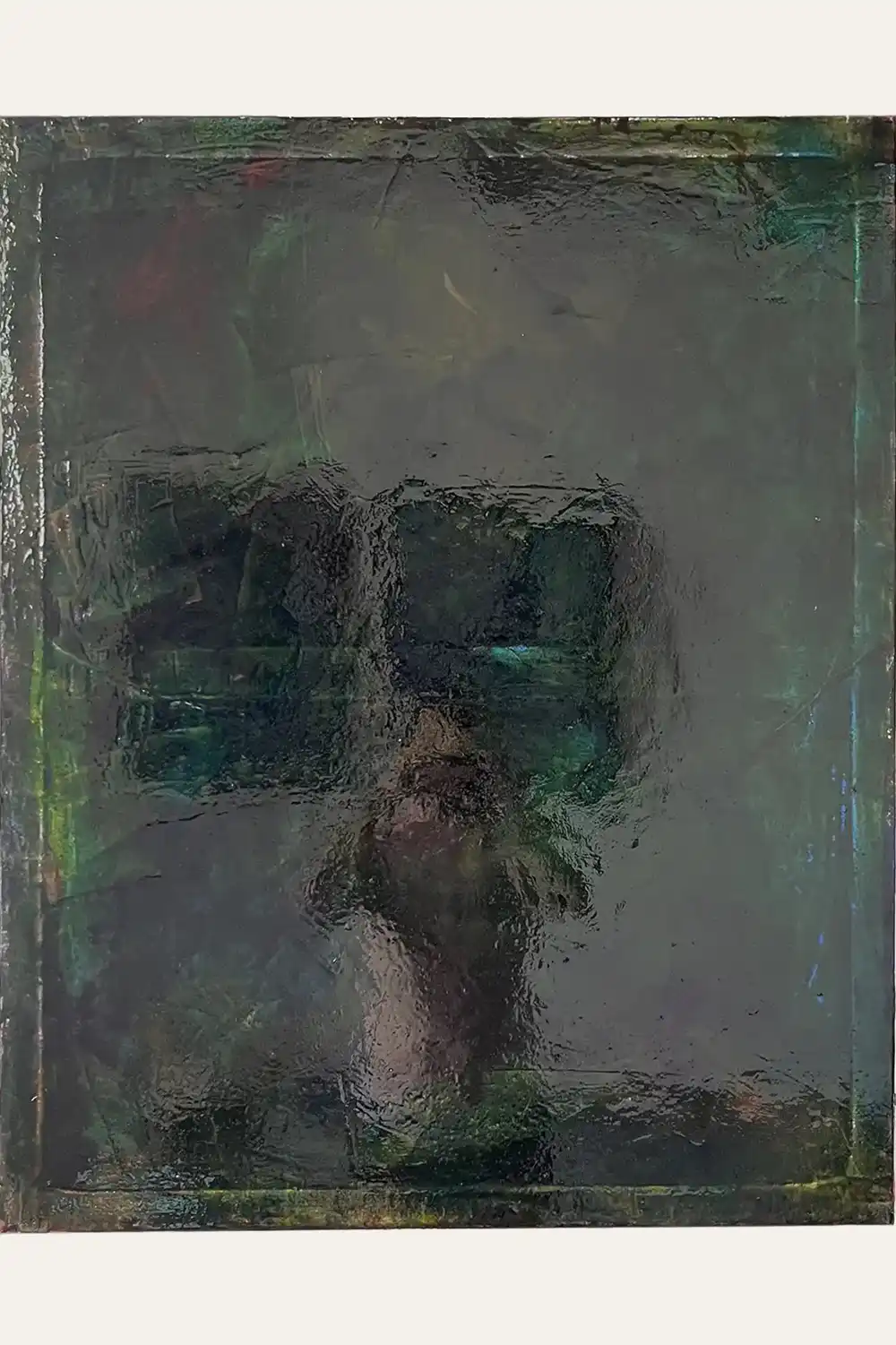
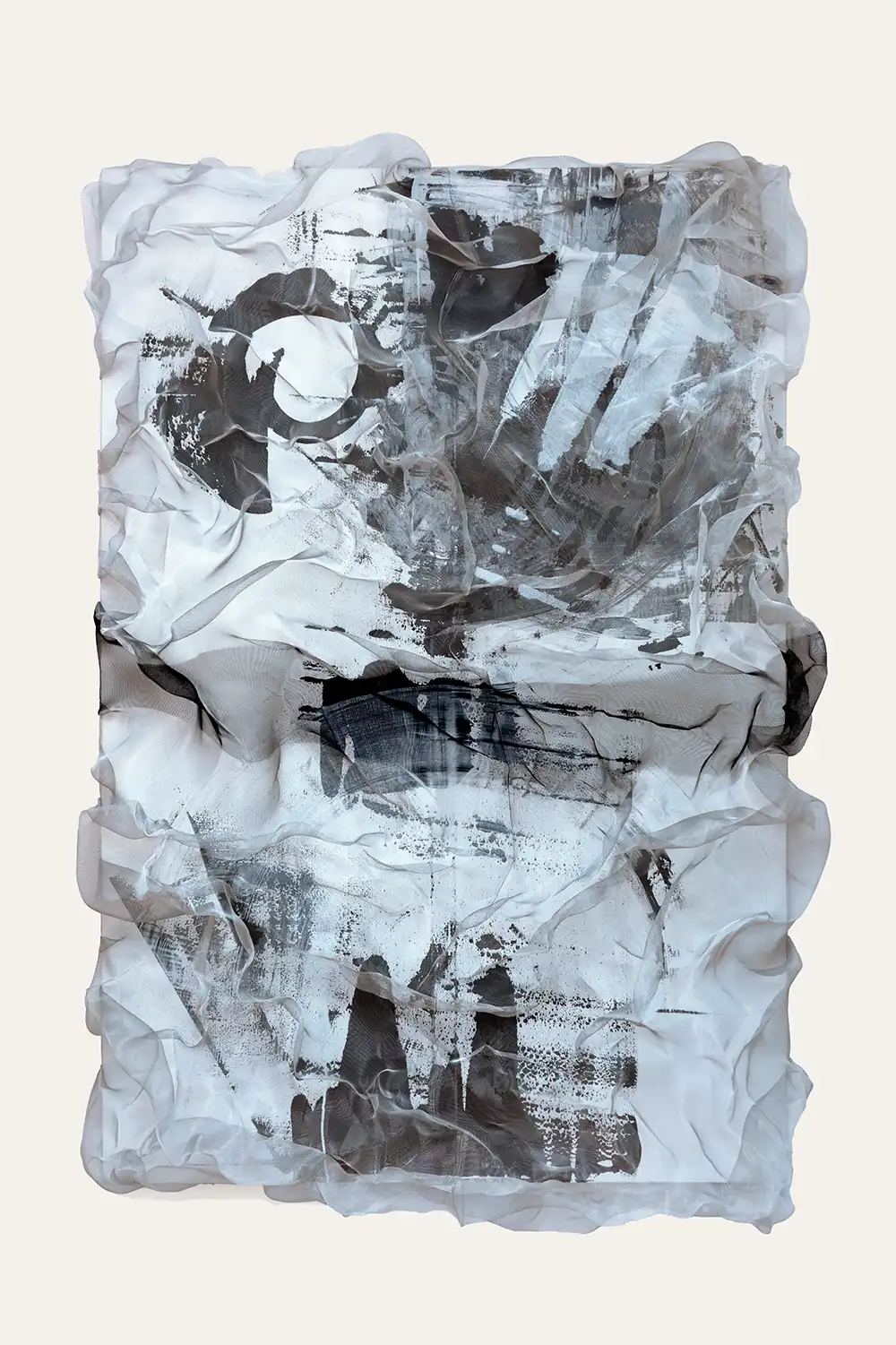
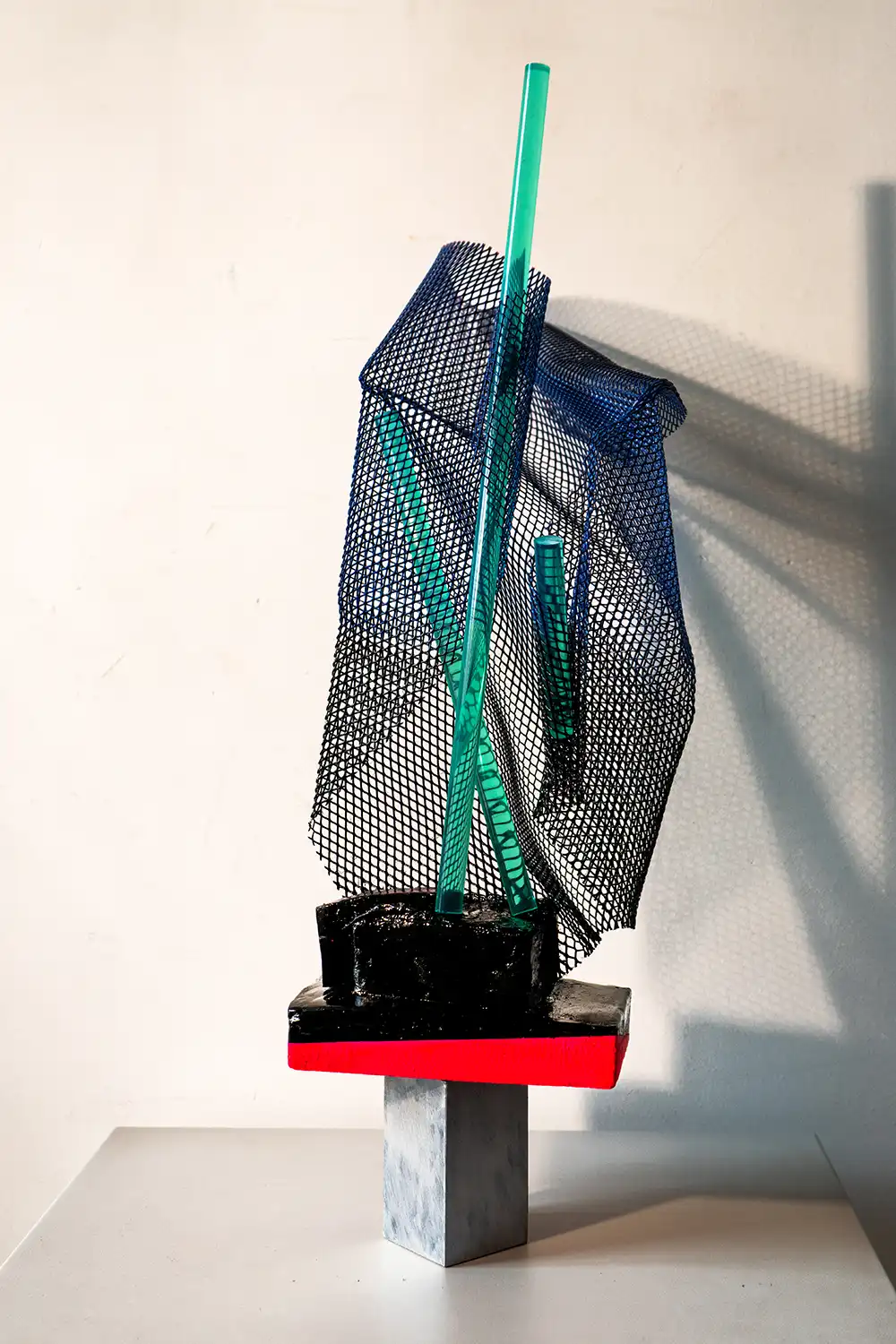
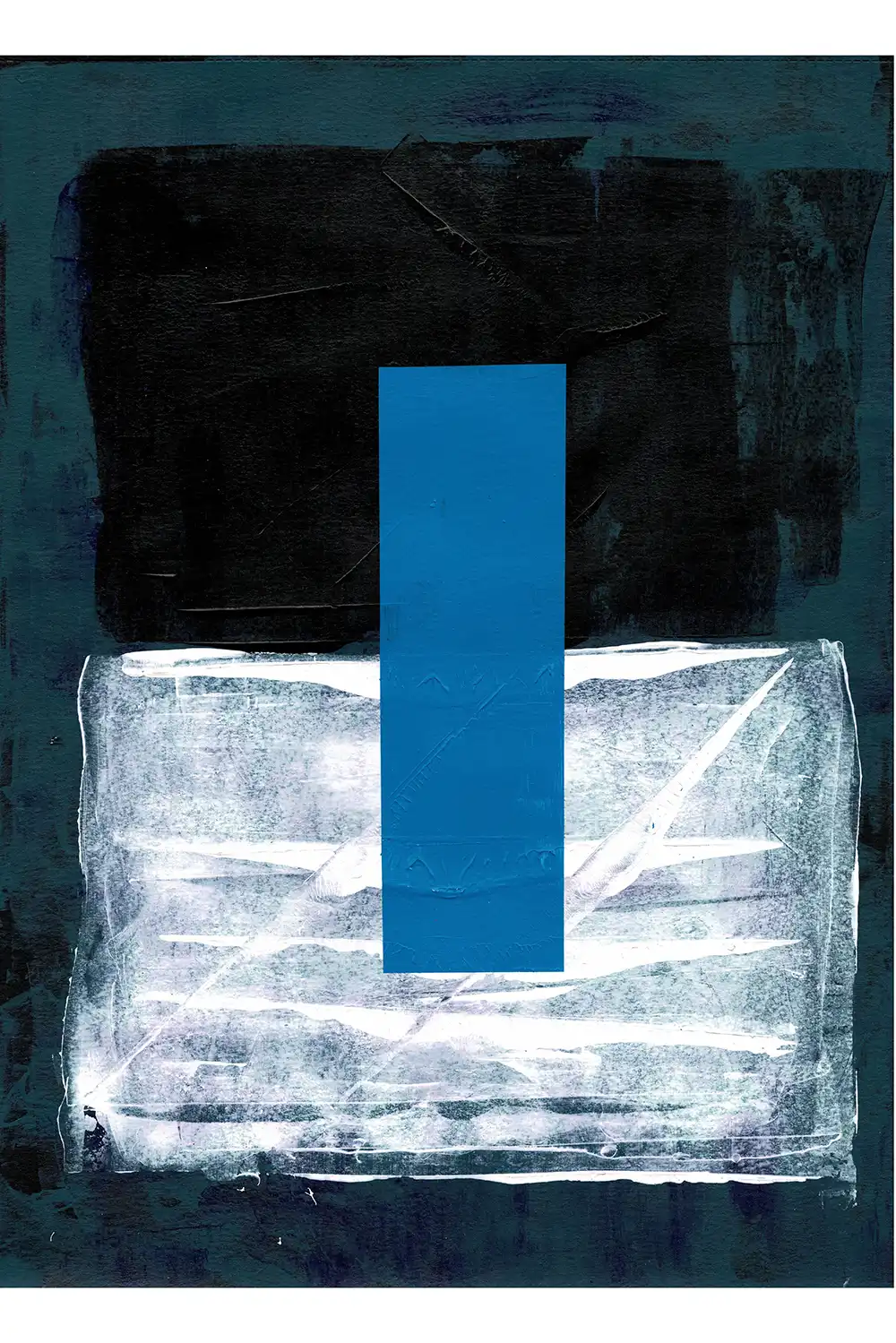
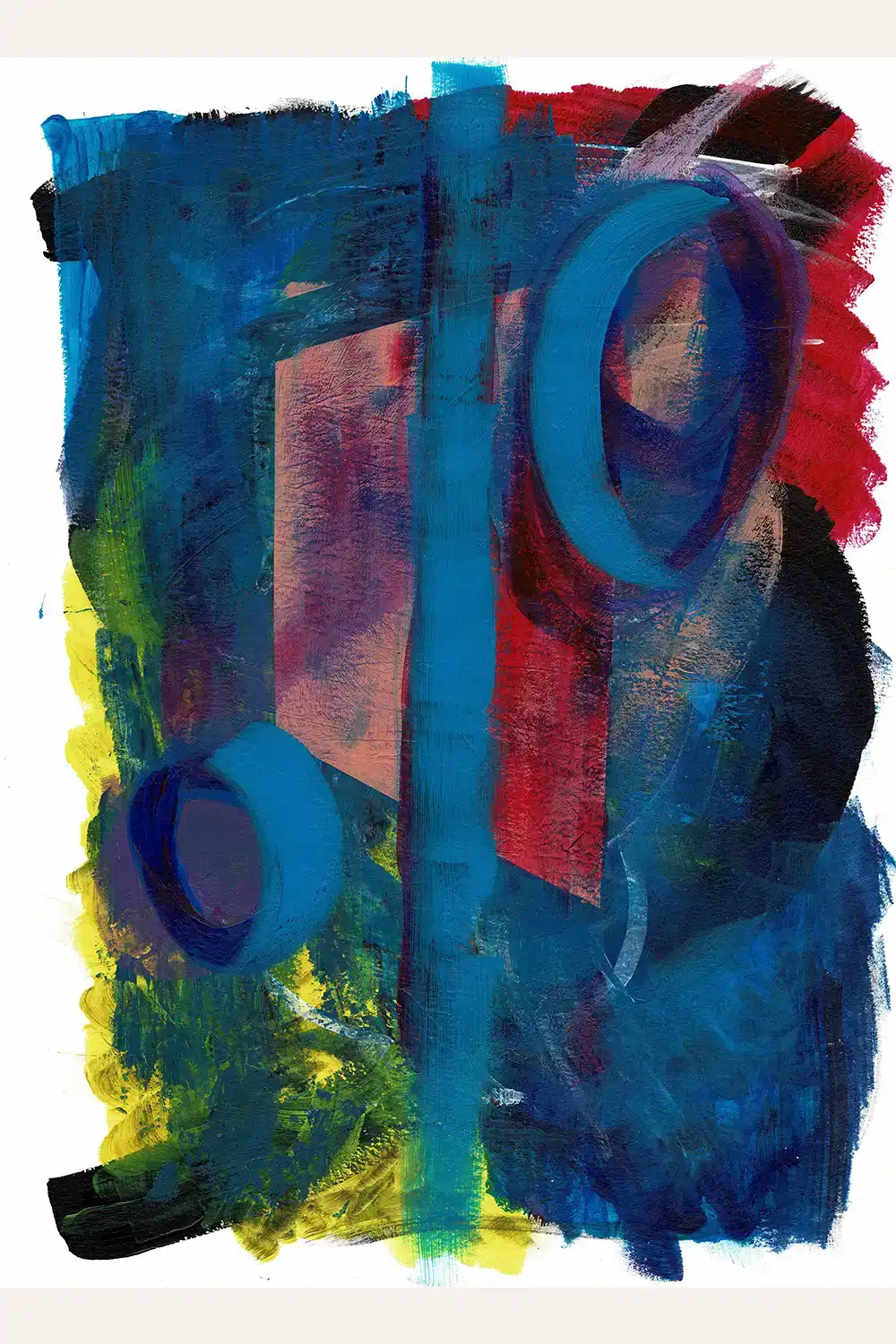
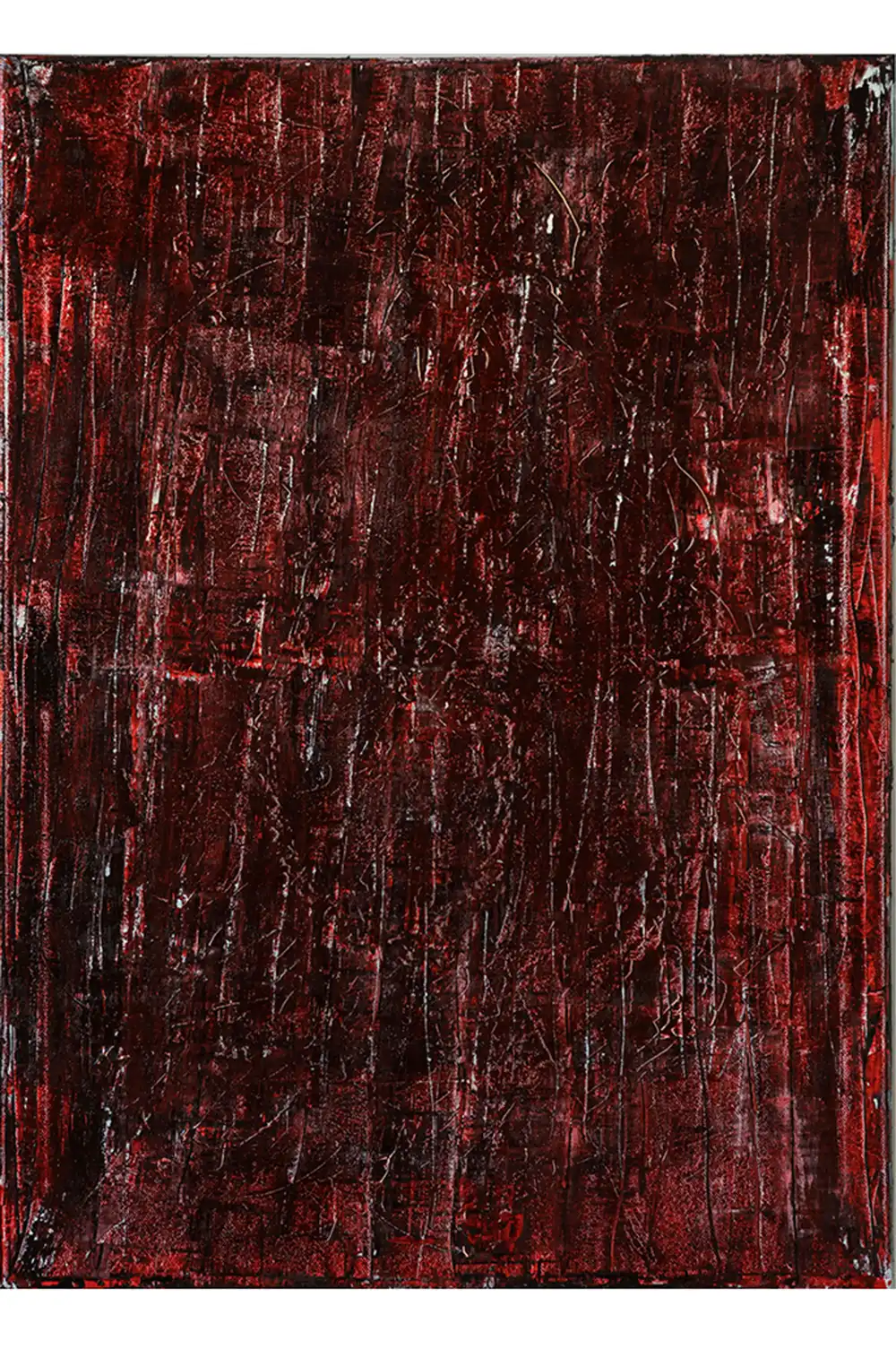
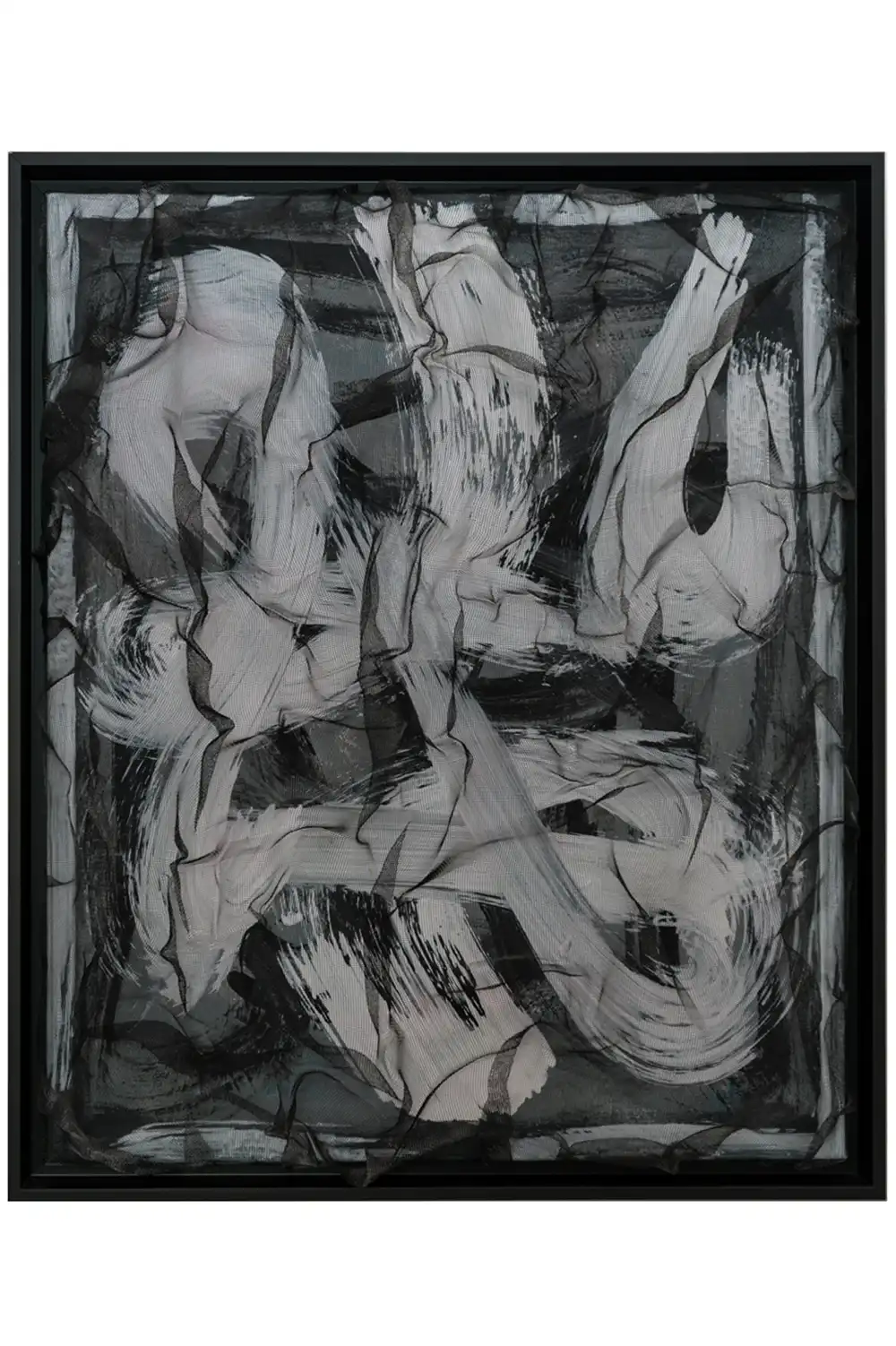
The best collections contain friction. A quiet graphite piece next to a bold abstract canvas. A sculpture that casts a shadow across a painting and changes it for three hours a day. The Subconscious and Muscle Memory series, for example, speak different languages but share the same root question: what remains when we stop performing? Placed in sight of each other, works with different visual languages can create a productive tension.
Space Is Part of the Collection
A painting is not finished when it leaves the studio. It is finished when it finds its wall. And that wall is not neutral. The height of the ceiling, the quality of the light, the color of the floor — these are not obstacles. They are collaborators.
When collectors ask me about a piece, I often ask about their space first. Not because I am trying to sell, but because the work deserves a truthful answer. Some paintings need to be alone. Others need to be part of a rhythm. Knowing which is which is not expertise. It is attention.
The Collection Outlives the Room
People move. Walls change color. Furniture is replaced. But a collection that is built on genuine encounter survives all of it. The works may be rehung, reframed, or stored for a season. But the relationship continues. That is the difference between decoration and collection: one is temporary, the other is cumulative.
A Note on Beginning
If you are at the beginning, you do not need a strategy. You need a single encounter with a work that refuses to let you go. The rest is patience. The rest is trust that your eye is enough.
If you are building a collection and would like guidance on scale, placement, or the emotional register of a particular piece, I am available for direct consultation. Studio visits can also be arranged.
Explore selected works · Read about the studio · Get in touch