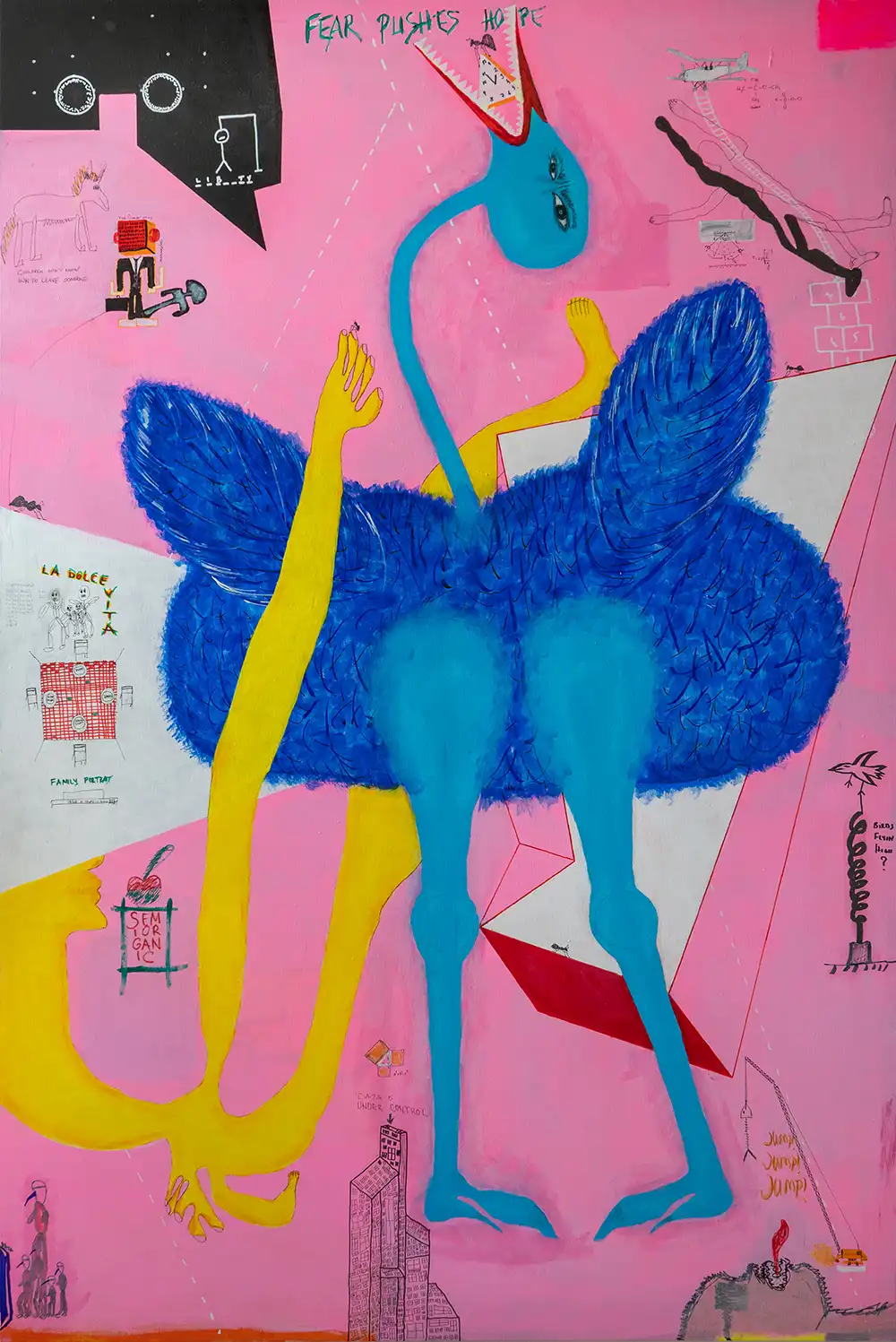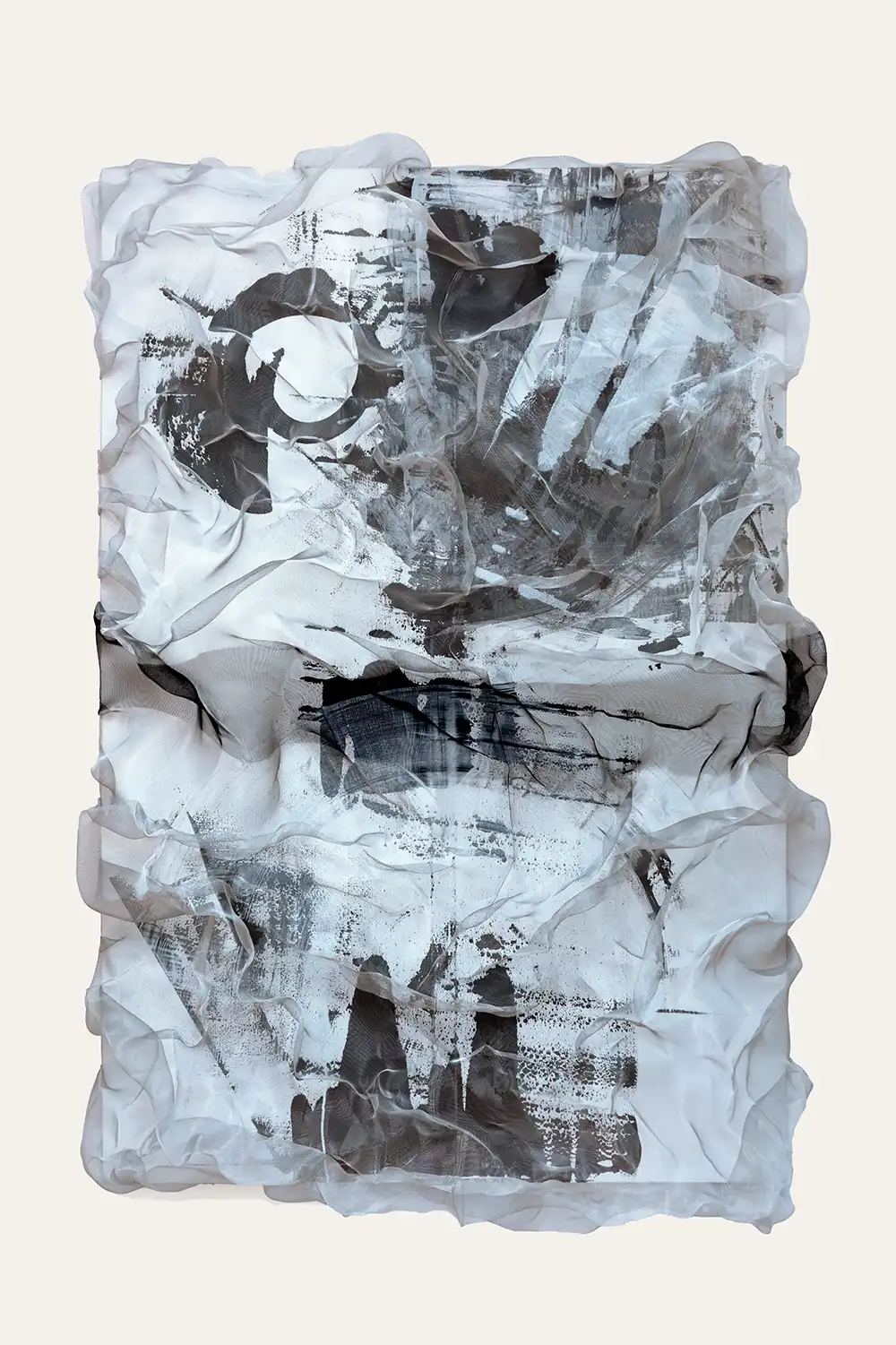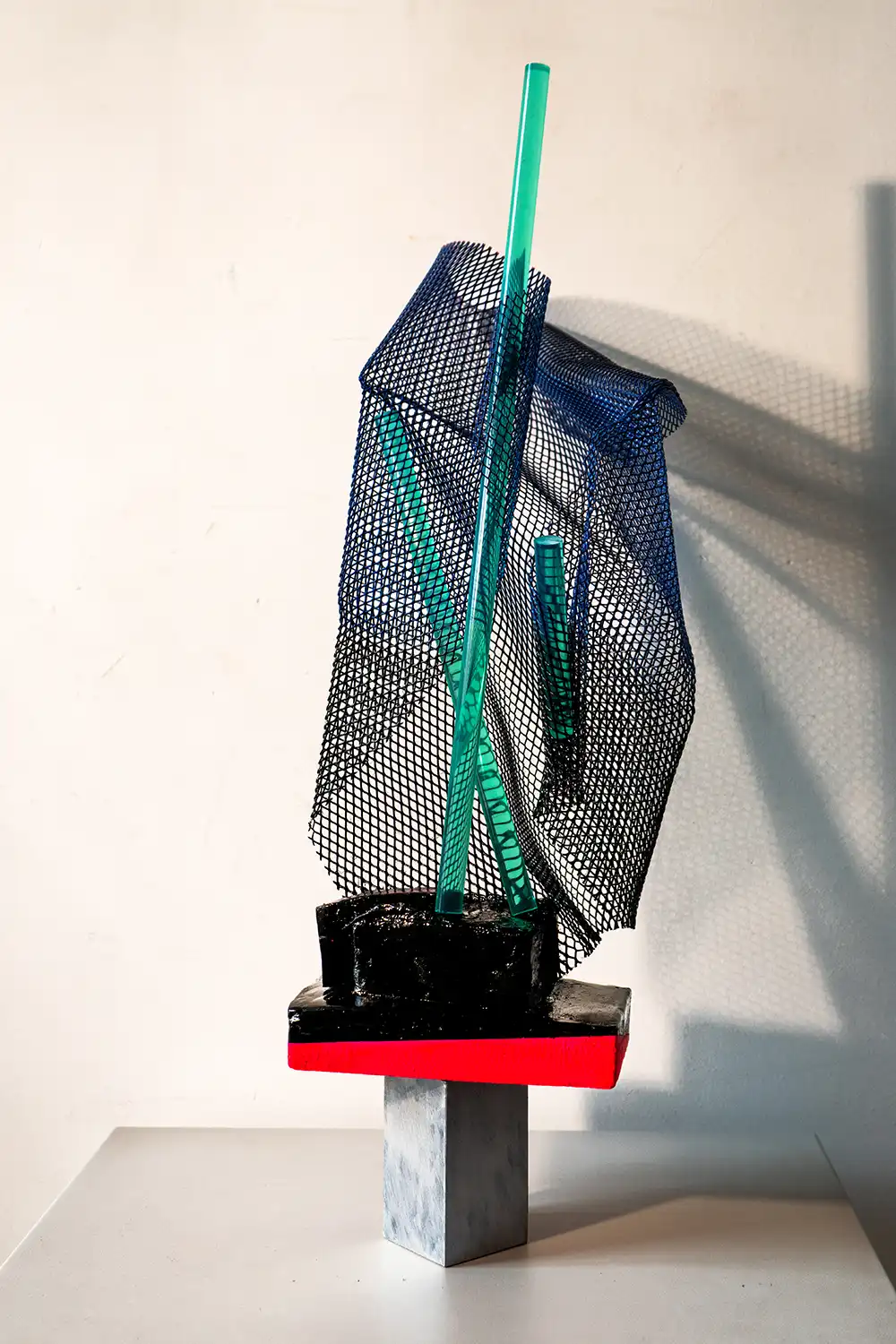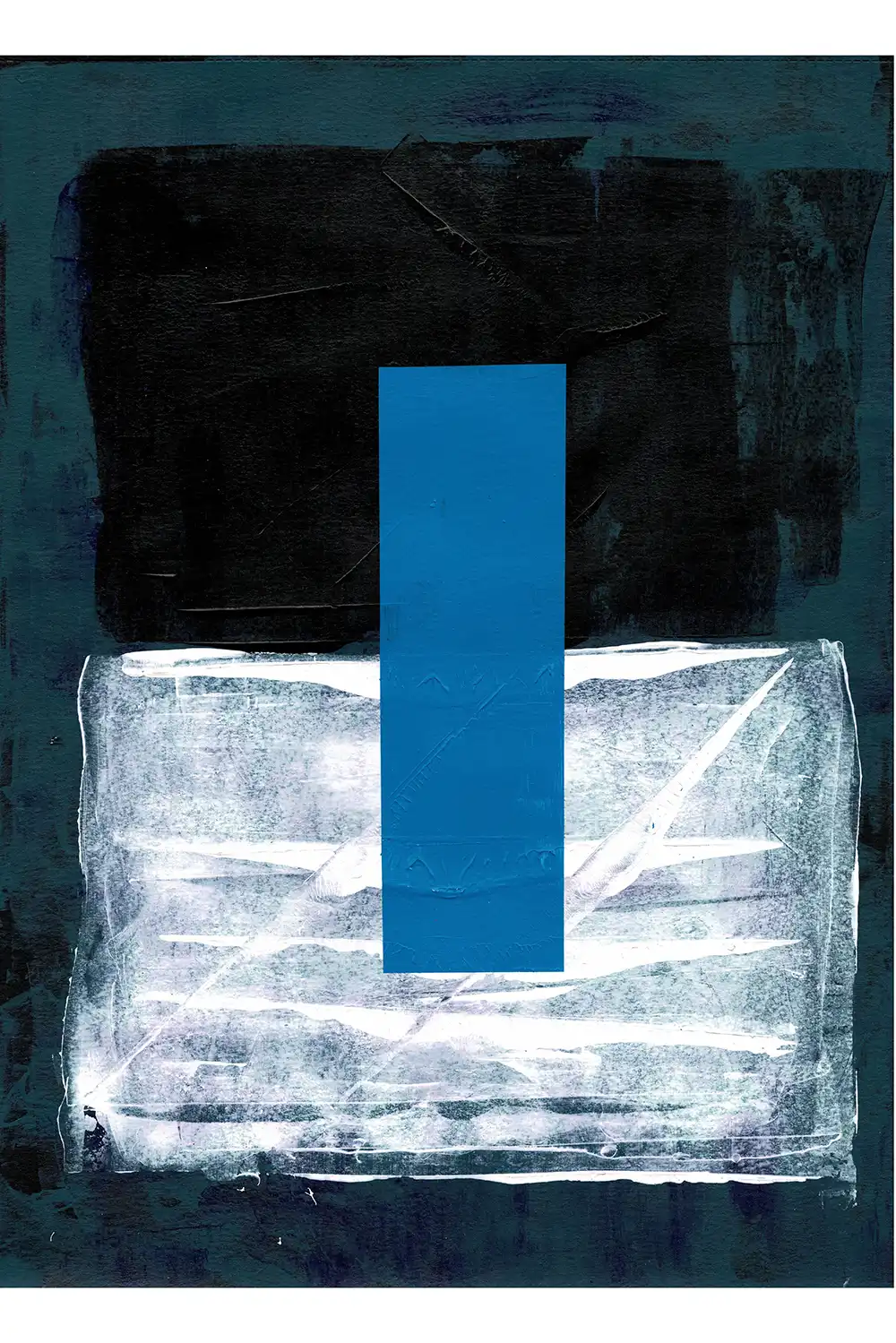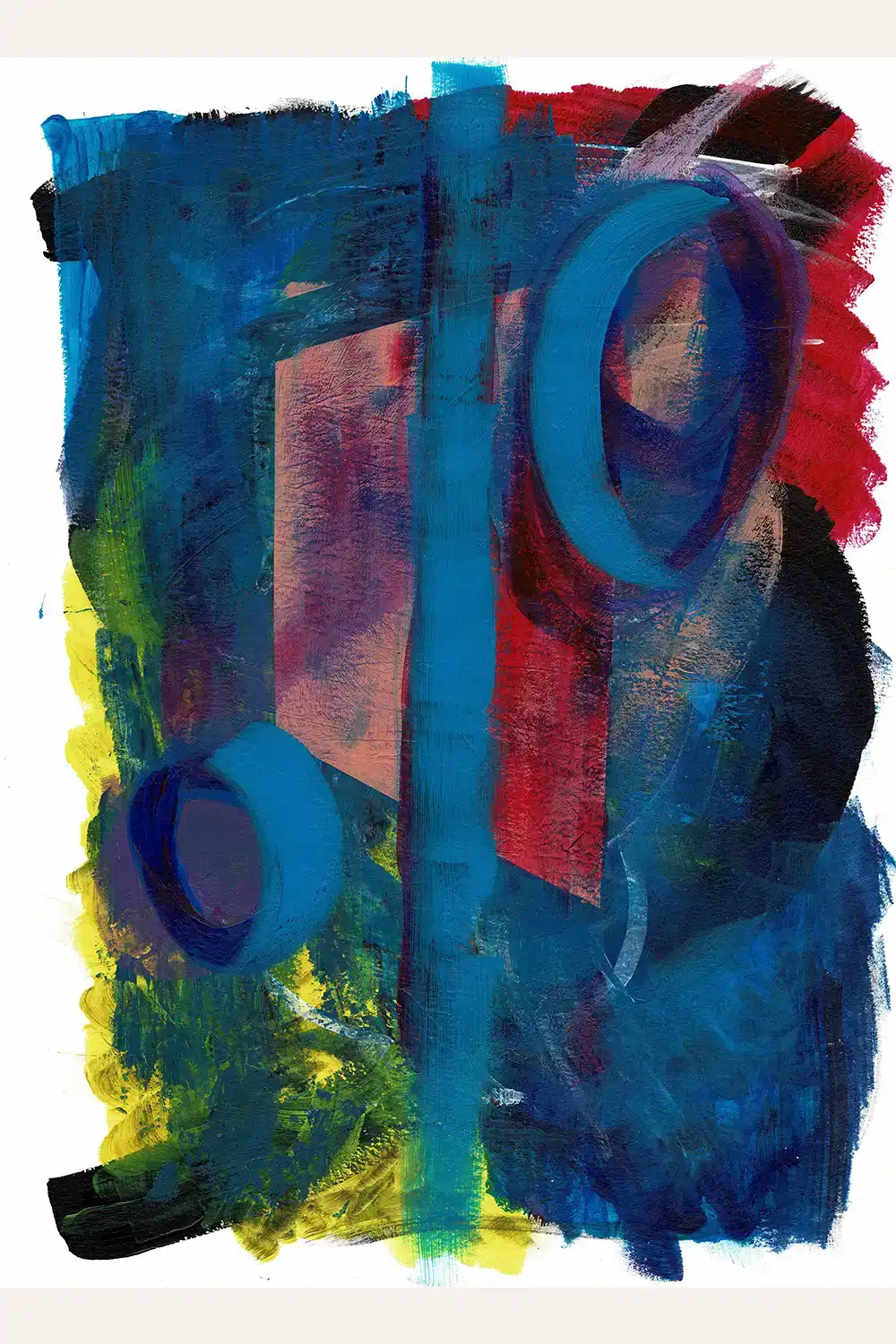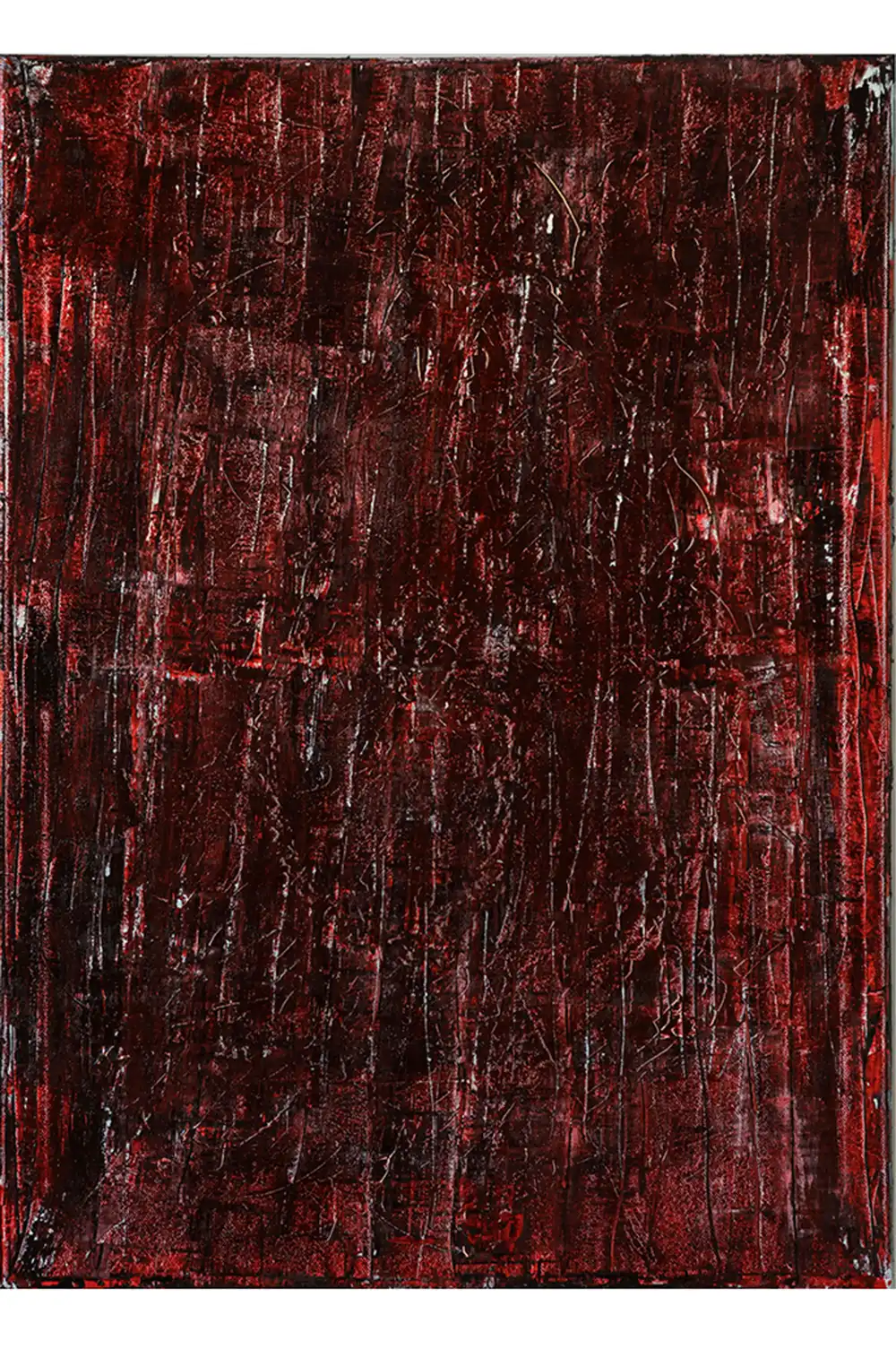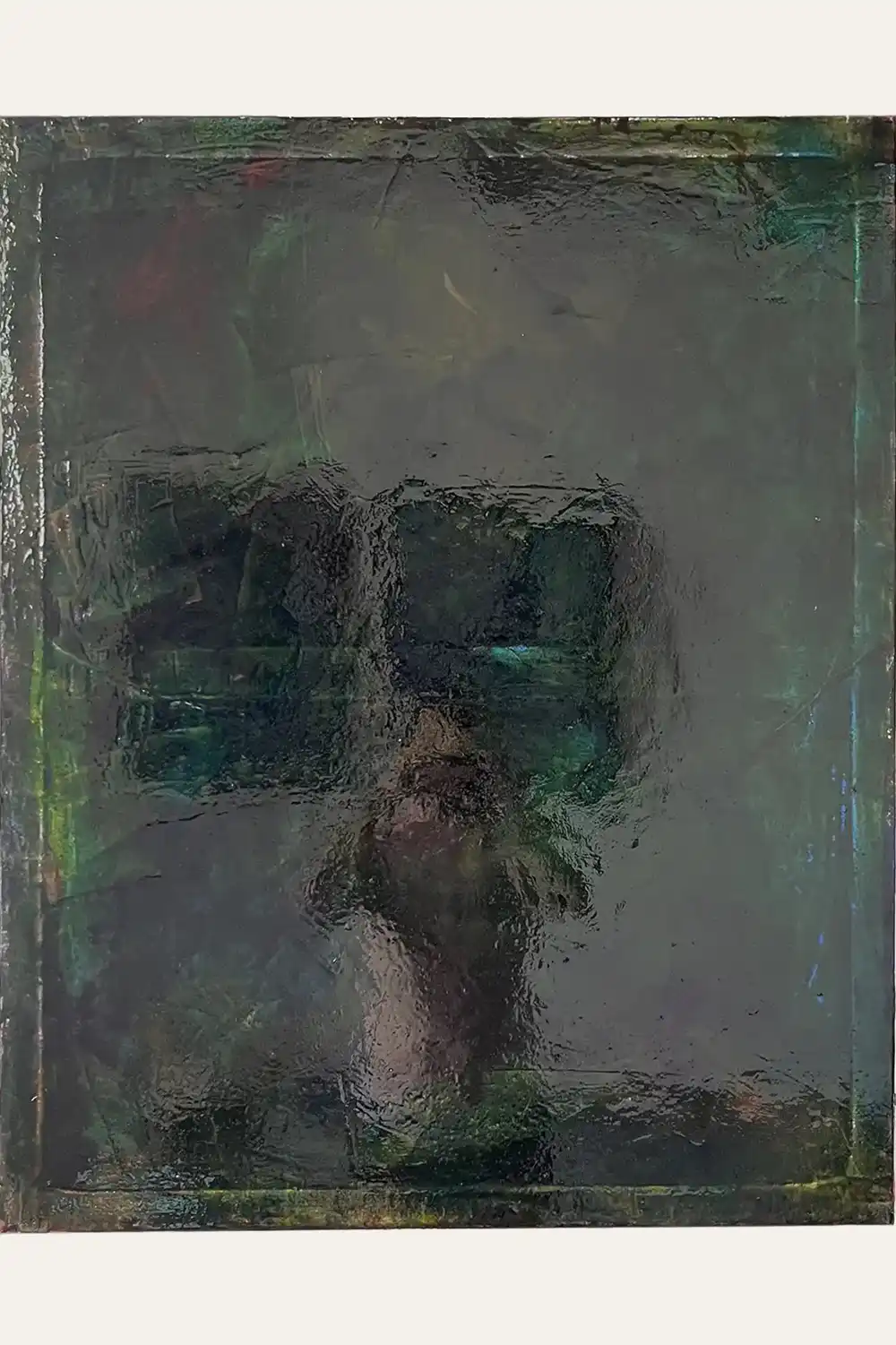
Museums have often organized collections around what can be described, represented, and documented. The portrait, the landscape, the historical moment frozen in pigment. Alongside this tradition, exhibitions can also make room for work that does not depict the world as it appears, but as it is felt — beneath language, beneath recognition, beneath the conscious self.
The subconscious is no longer a theme for psychology departments. It is a curatorial territory.
From Image to Atmosphere
Traditional curating asks: What is this painting of? Contemporary curating can also ask: What does this room become when this painting is in it? The shift from image to atmosphere changes the criteria entirely. A work does not need to illustrate anxiety, memory, or withdrawal. It needs to produce them. Work concerned with the subconscious operates in this space deliberately. The forms are not symbols of the unseen. They are the unseen, made visible through the logic of paint rather than the logic of representation.
The Museum as Contemplative Space
Museums can function not only as repositories of information, but also as spaces for slowed attention. In an era of digital acceleration, the subconscious offers a thematic anchor for exhibitions that resist the scroll. A room dedicated to psychological depth does not reward quick looking. It rewards duration. And duration is what museums can offer that no screen can replicate.
Exhibitions can be built around works that refuse immediate legibility. The viewer is not expected to “get it” in thirty seconds. They are expected to stay.
Why This Theme Travels
Psychological themes carry a peculiar advantage: they translate across cultures without losing weight. A painting about grief, about the body’s unspoken knowledge, or about the tension between presence and absence does not depend on a shared historical reference. It depends on a shared human architecture. Work concerned with the subconscious can meet different contexts in different ways, with emotional response sometimes preceding intellectual interpretation. That immediacy can help the work travel across exhibition contexts.
For Curators Considering the Theme
If you are developing an exhibition around interiority, memory, or the unseen forces that shape behavior, the work you choose should not explain these themes. It should embody them. The best curatorial pairings are not illustrative. They are atmospheric. They create a room where the walls seem to listen.
Work concerned with the subconscious can be discussed for possible institutional loan or exhibition. If you are developing a curatorial project around psychological or interior themes, I am open to dialogue about placement, context, and accompanying texts.
Explore work concerned with the subconscious · Institutional inquiries