For a long time, luxury interiors relied on flatness. Smooth walls, smooth marble, smooth leather. The eye slid across surfaces without catching. It was elegant, but it was also evasive. Nothing asked you to stop.
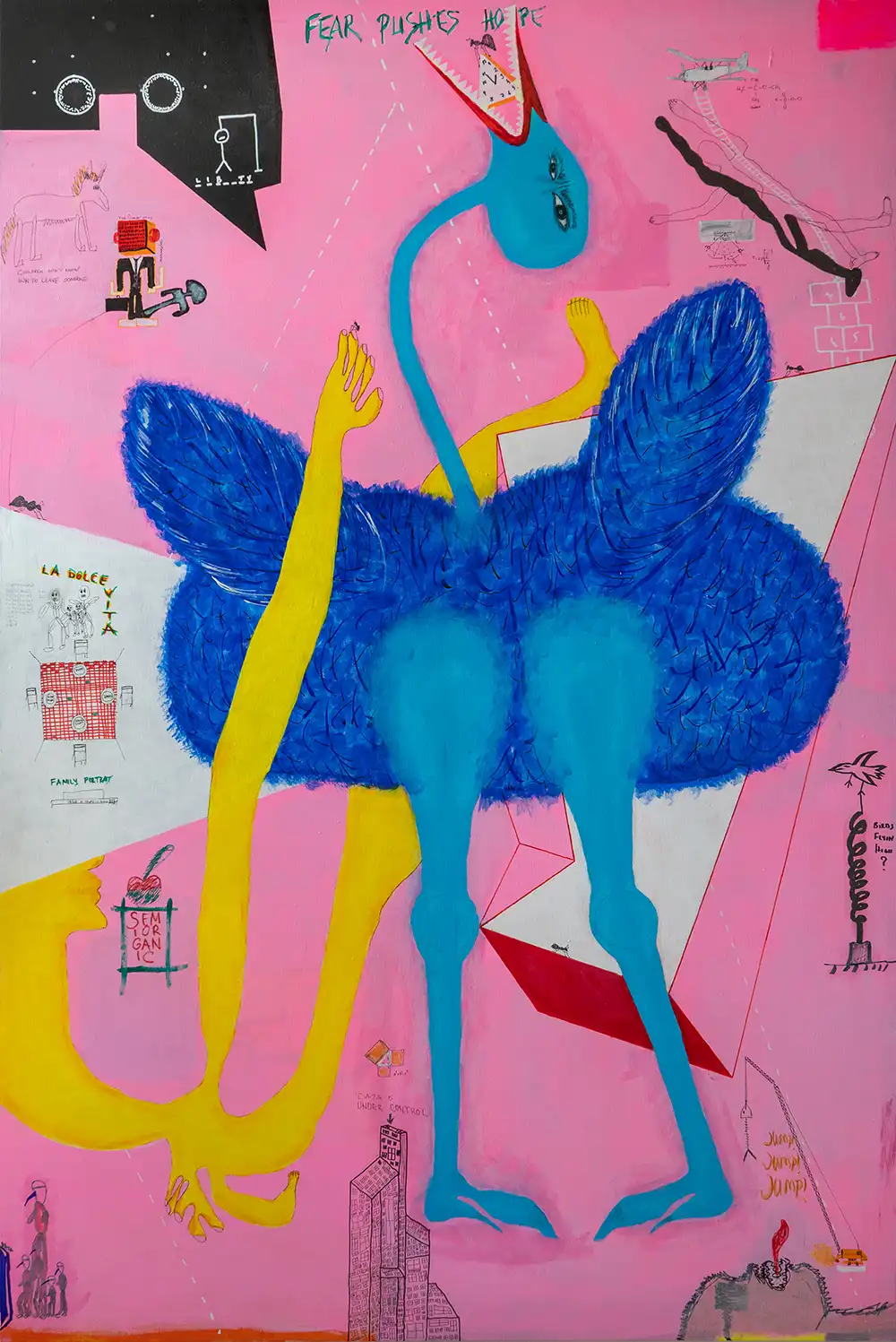
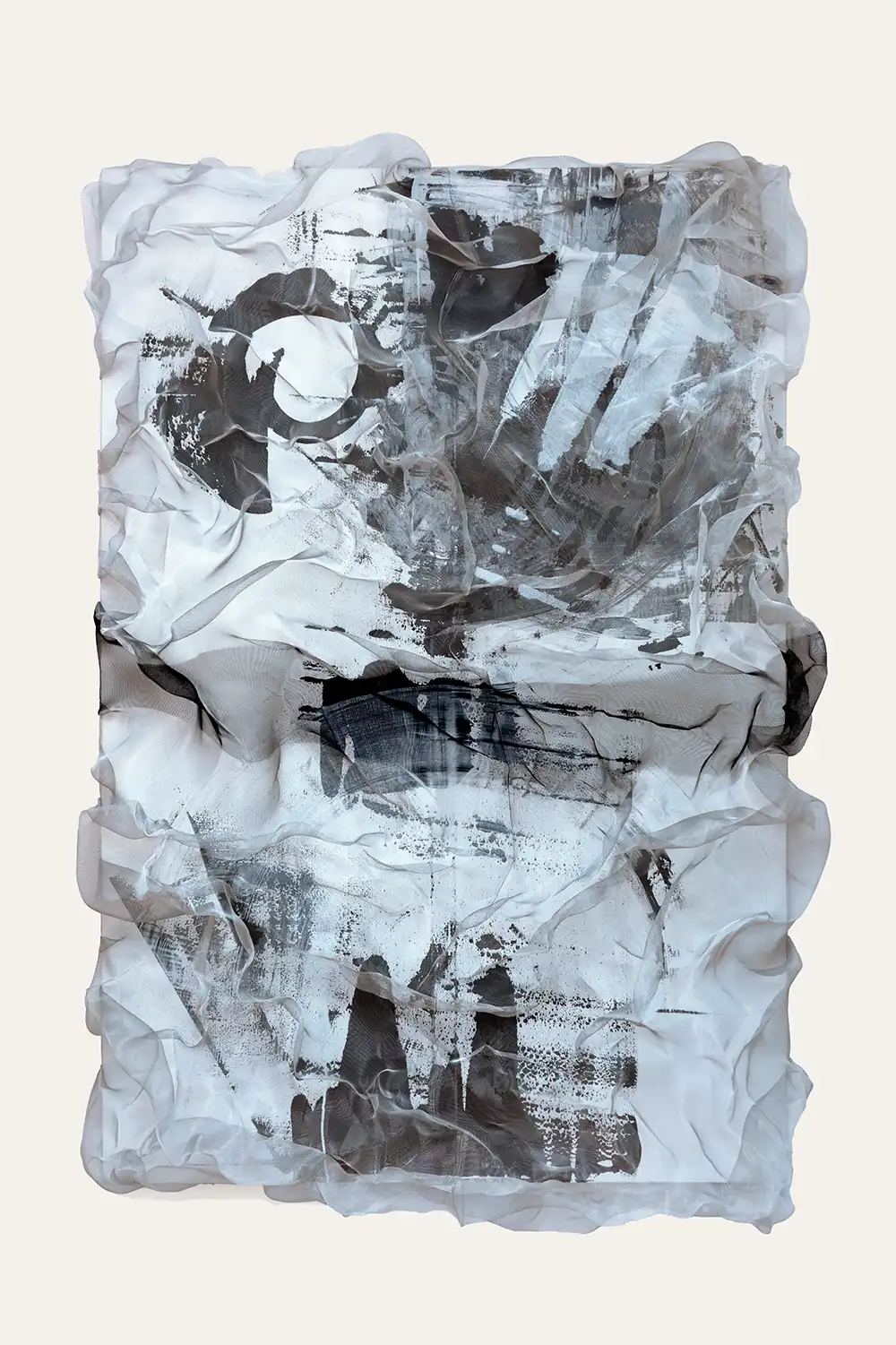
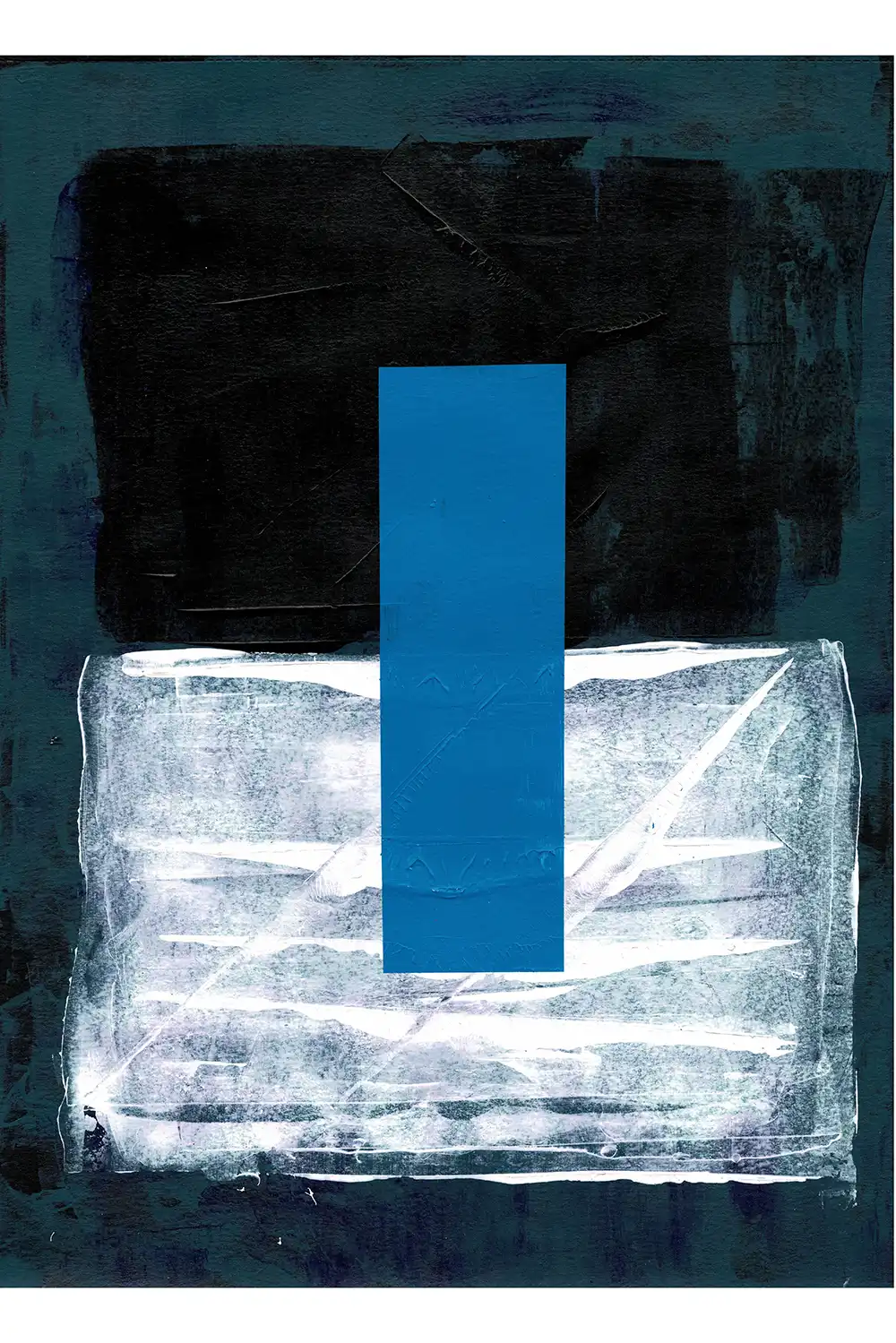
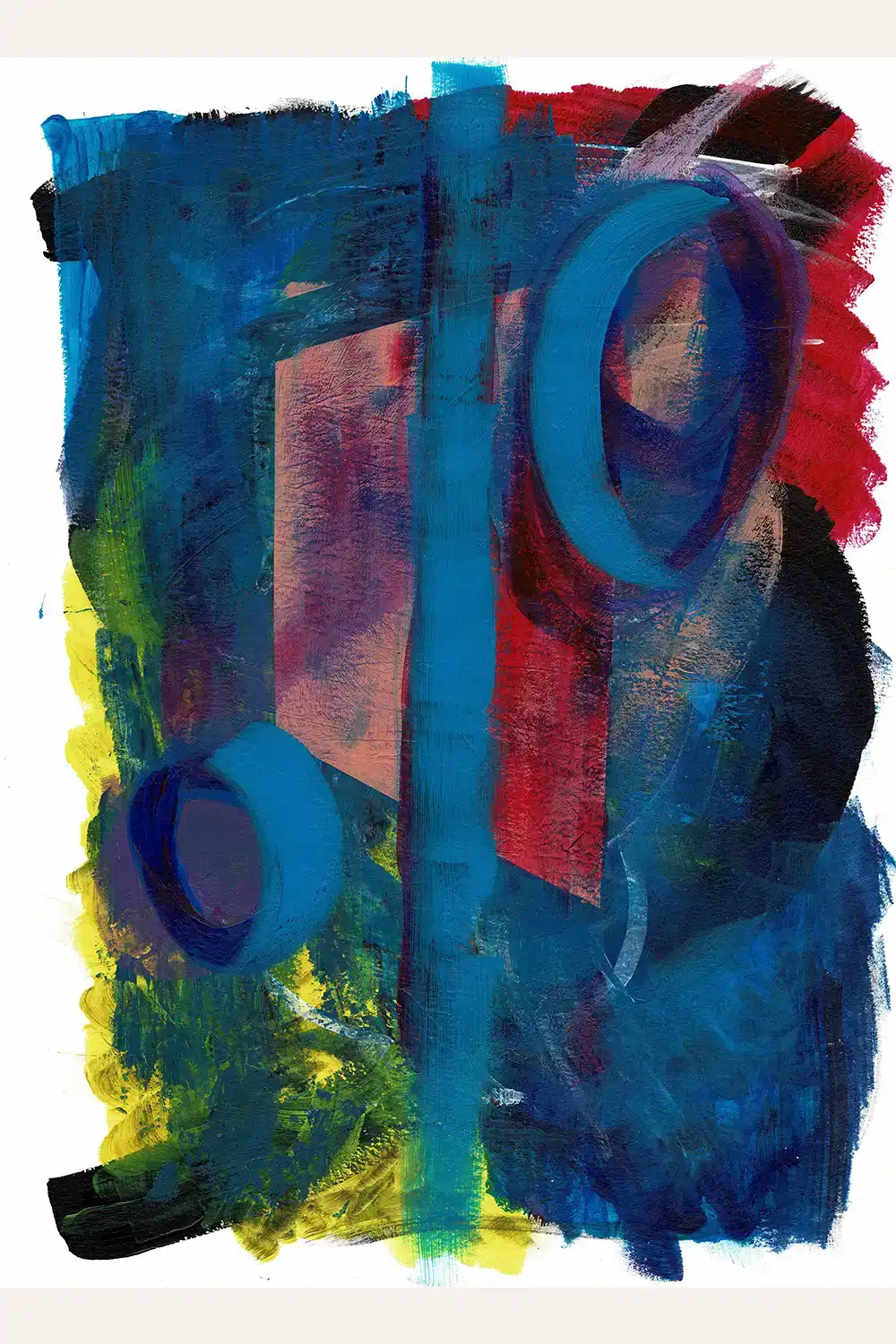
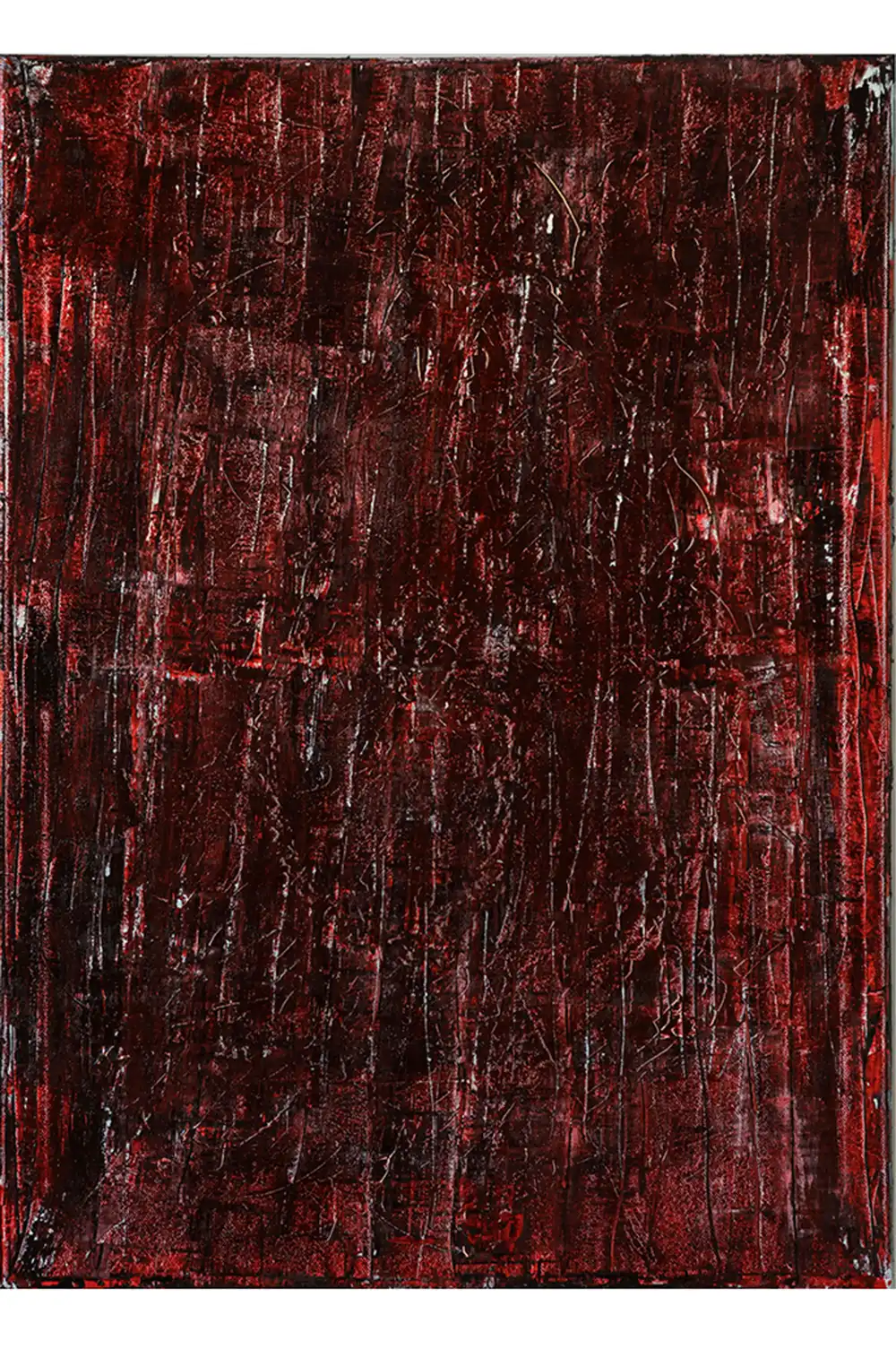
Mixed-media abstract painting changes that contract. It introduces texture not as ornament, but as evidence. The surface becomes a document of process. And in high-end interiors, that honesty is becoming the new luxury.
What Epoxy Does That Paint Cannot
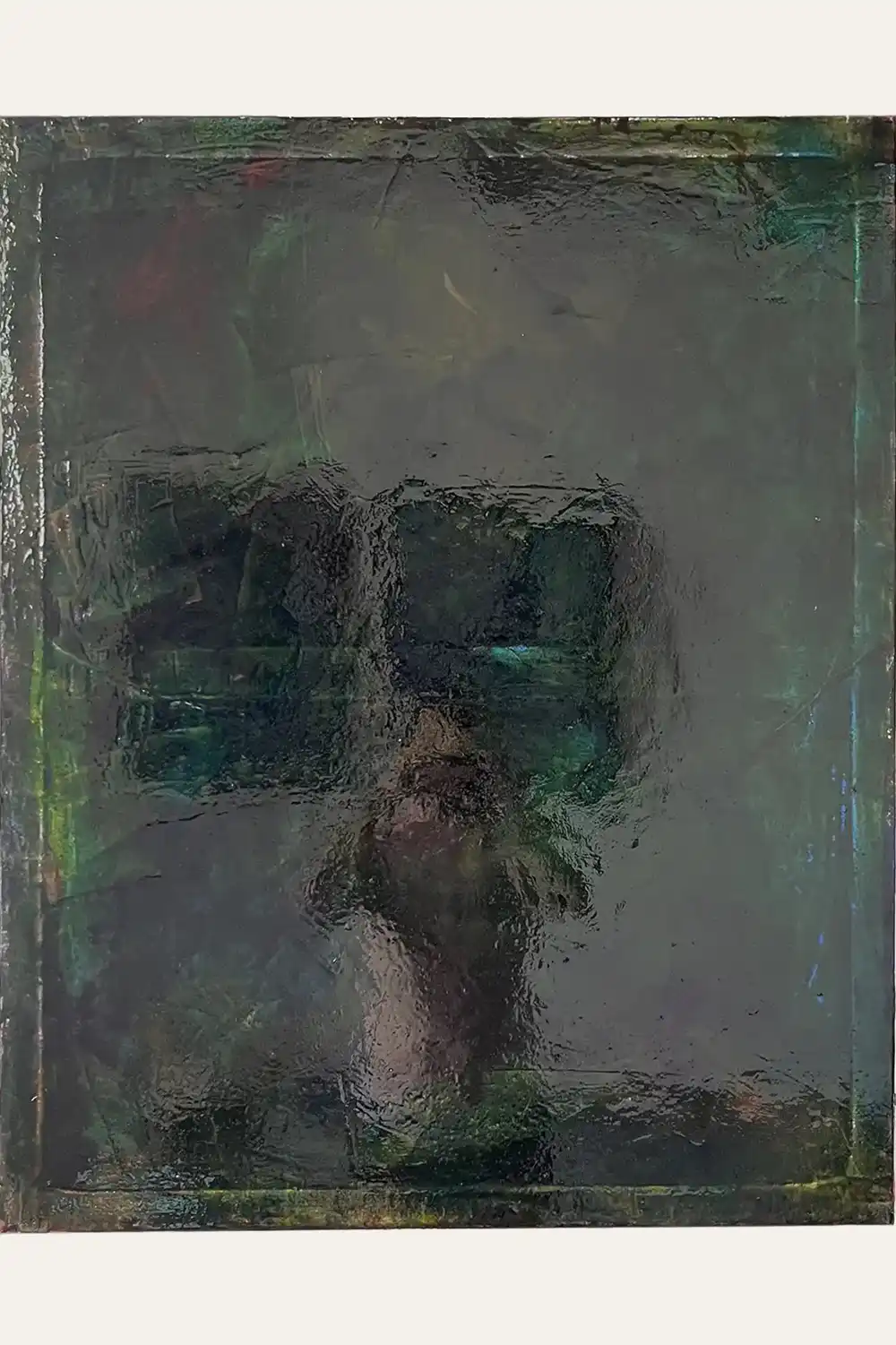
Acrylic paint lives on the surface. It can be thick or thin, opaque or transparent, but it remains essentially flat. Epoxy resin does something else. It suspends. It encases. It creates a depth that light enters and then reflects back from different layers. A mixed-media work using both materials offers two time zones: the immediate gesture of the brush, and the slow, liquid settling of the resin.
In my practice, this combination is not decorative. It is structural. The epoxy holds the painting together physically — its long-term behavior still depends on the specific materials, light, handling, and conservation conditions. But it also holds the painting together visually. The depth makes the color feel inhabited rather than applied.
Why Designers Notice
Interior designers with material sensitivity — the ones who specify hand-troweled plaster or unsealed stone — respond to mixed-media work because it belongs to the same language. It is not an image imported into a room. It is a surface that participates in the room’s light economy.
The Muscle Memory and Emotional Big Bang series use this technique precisely because the subject matter demands it. These works are about the body, about memory, about what remains. A flat print would betray that. The epoxy layer preserves the physical trace of the hand. It is the difference between a photograph of a scar and the scar itself.
Maintenance as Respect
A common concern with resin surfaces is maintenance. Resin surfaces have their own care requirements, and cleaning or conservation decisions should be made according to the materials used in each work. But it does ask for placement. Direct, harsh sunlight over years can cause ambering. A good designer will place these works where the light is present but not punitive.
The Tactile Eye
A deep surface can create a tactile expectation even without contact. That is the epoxy working. It creates a tactile expectation even without contact. The eye reads depth as temperature.
For Spaces That Demand Honesty
If your project calls for materials that age well and speak clearly, mixed-media abstract work is not an accessory. It is a foundation. It carries the same intentionality as a custom countertop or a hand-woven textile.
Material questions and technical specifications can be discussed for interior projects. If you are specifying mixed-media abstract work for a residential or commercial space, I am available to discuss surface quality, scale, and lighting integration.
Explore material details · Request samples