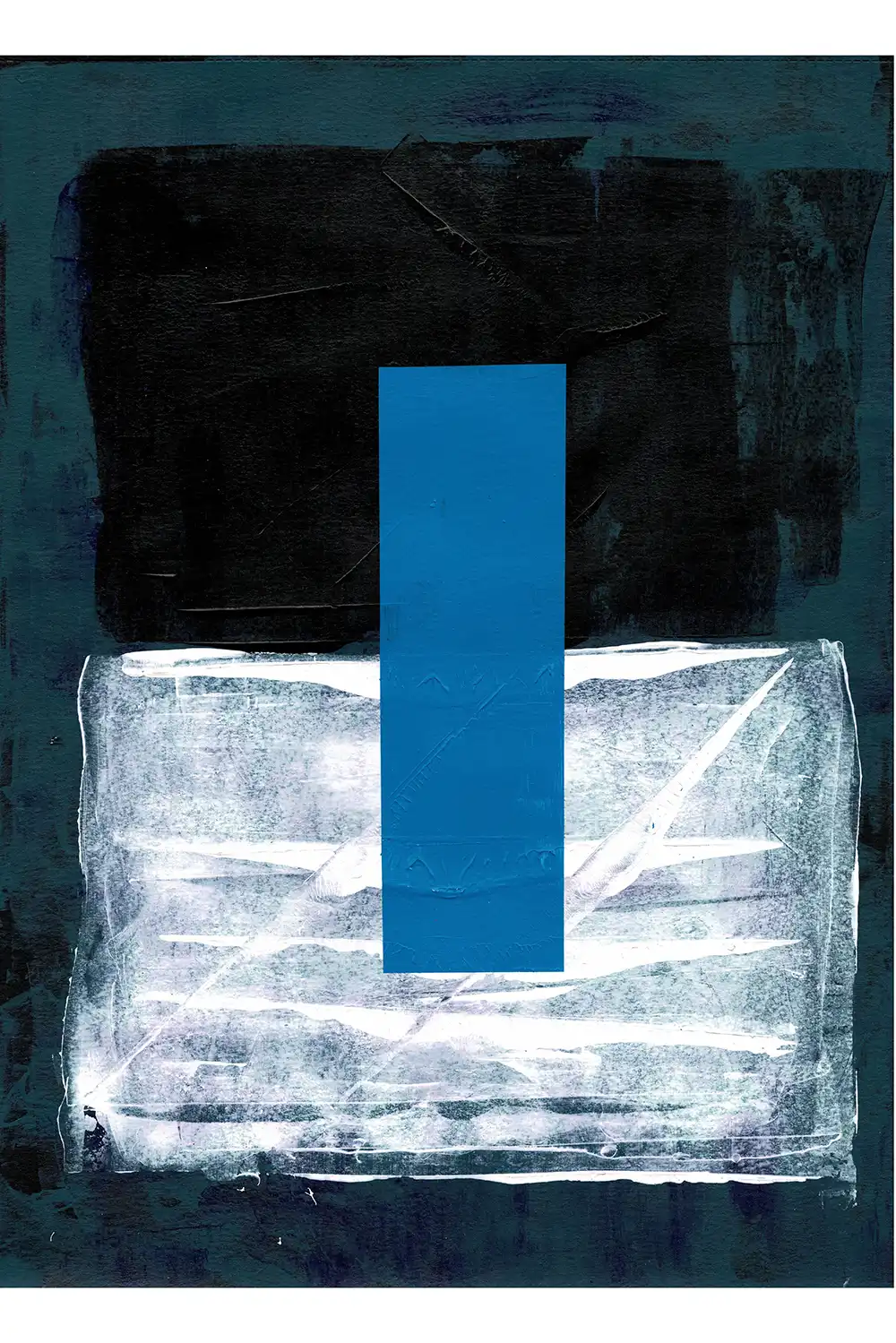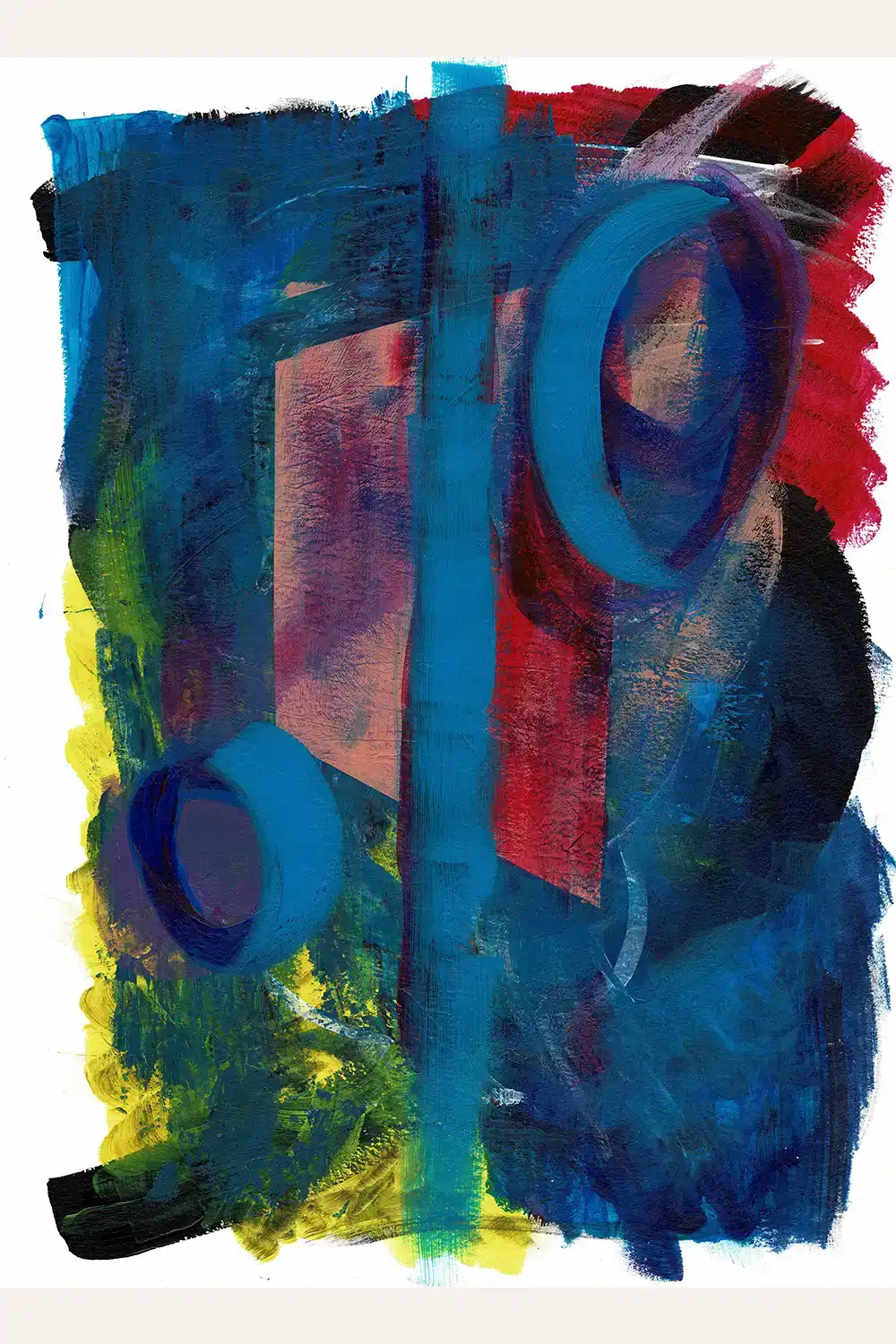
Minimalism is not emptiness. It is editing. And like all editing, it leaves behind a silence that can feel either peaceful or unfinished. The difference is usually a single object that refuses to be quiet.
In modern interior design, that object is increasingly a large abstract painting. Not a photograph. Not a grid. A painting with weight, color, and the visible evidence of a human decision. The tension between the empty room and the full canvas is what makes the room feel inhabited rather than staged.
The White Wall Is Not Neutral
A white wall in a minimalist space is not a blank canvas. It is a statement. It says: I have chosen to remove everything non-essential. But if nothing is allowed to speak, the room becomes a gallery of absence. The abstract painting enters not as decoration but as permission. It gives the room a voice without breaking the silence.
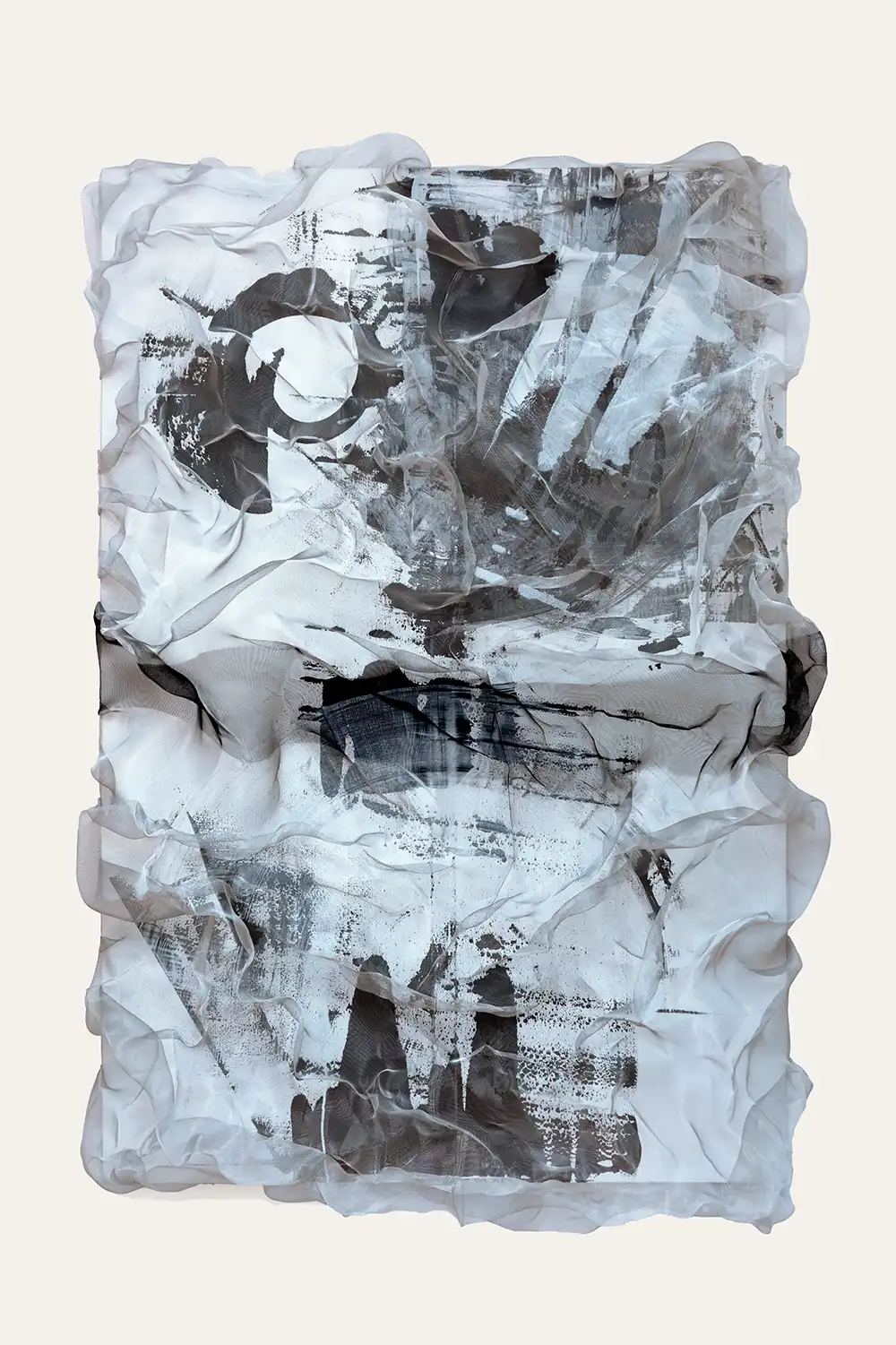
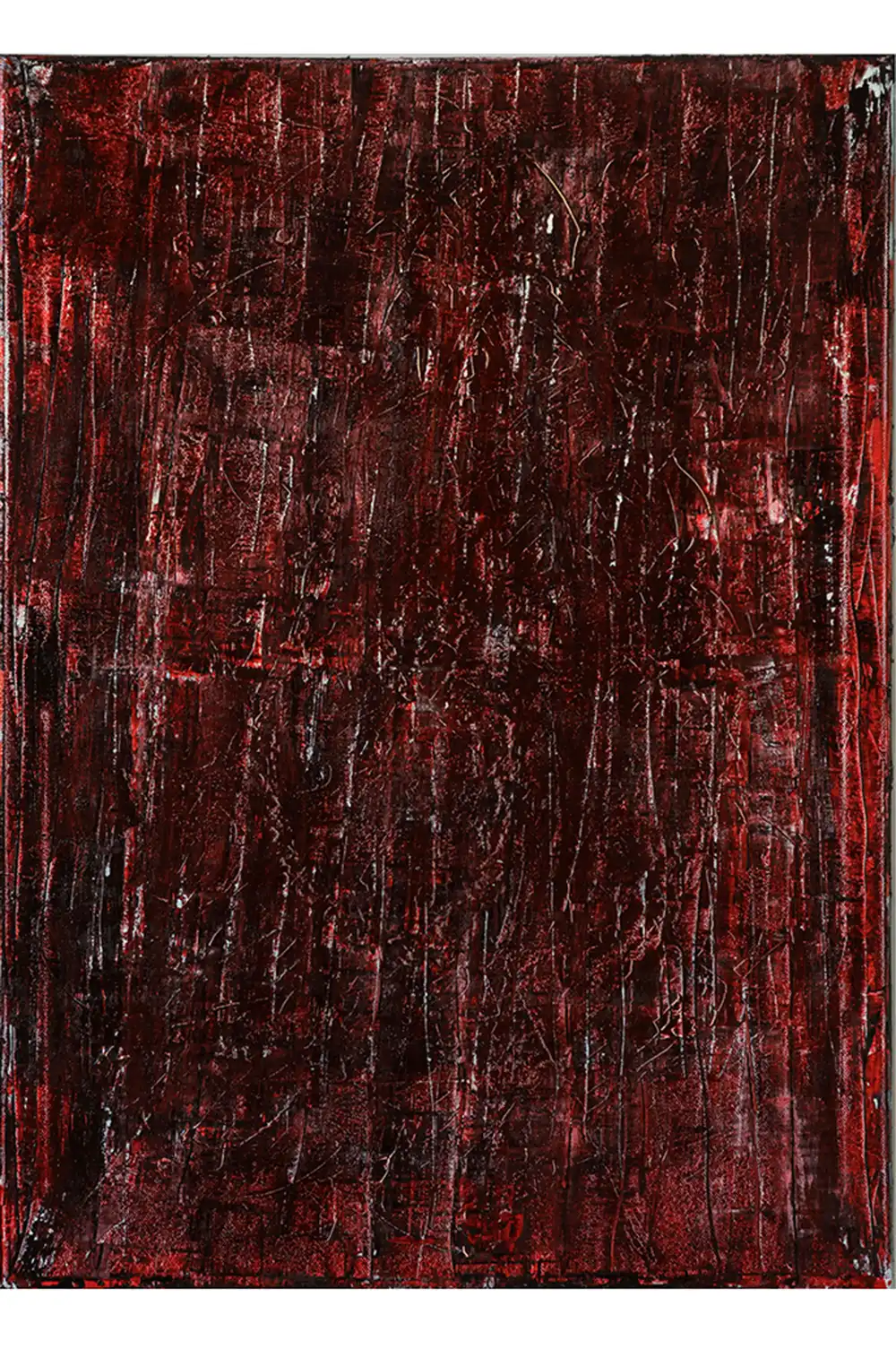
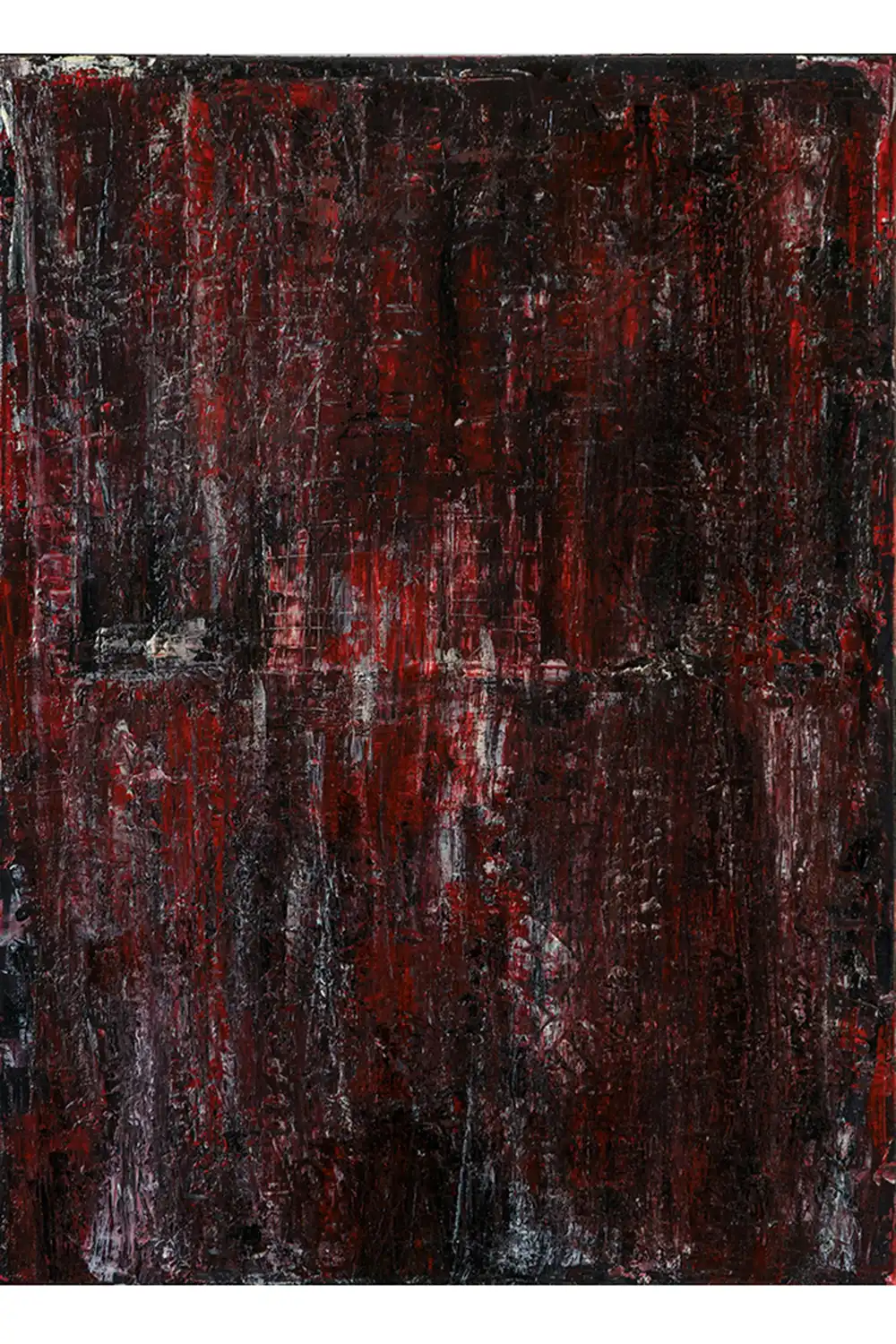
The Muscle Memory series works particularly well in this context. The red forms are not loud; they are dense. They do not scatter attention. They gather it. In a room with white walls, pale oak, and a single sofa, a red abstract canvas becomes the emotional center. Not because it is bright, but because it is certain.
Restraint as Frame
Minimalist furniture is disciplined. Clean lines, limited materials, no excess. This discipline creates a frame. The painting sits inside that frame and is amplified by it. A cluttered room swallows art. A minimal room presents it. The designer’s job is not to match the art to the furniture, but to create enough silence that the art can finish the sentence.
Why Abstraction Works Better Than Figuration Here
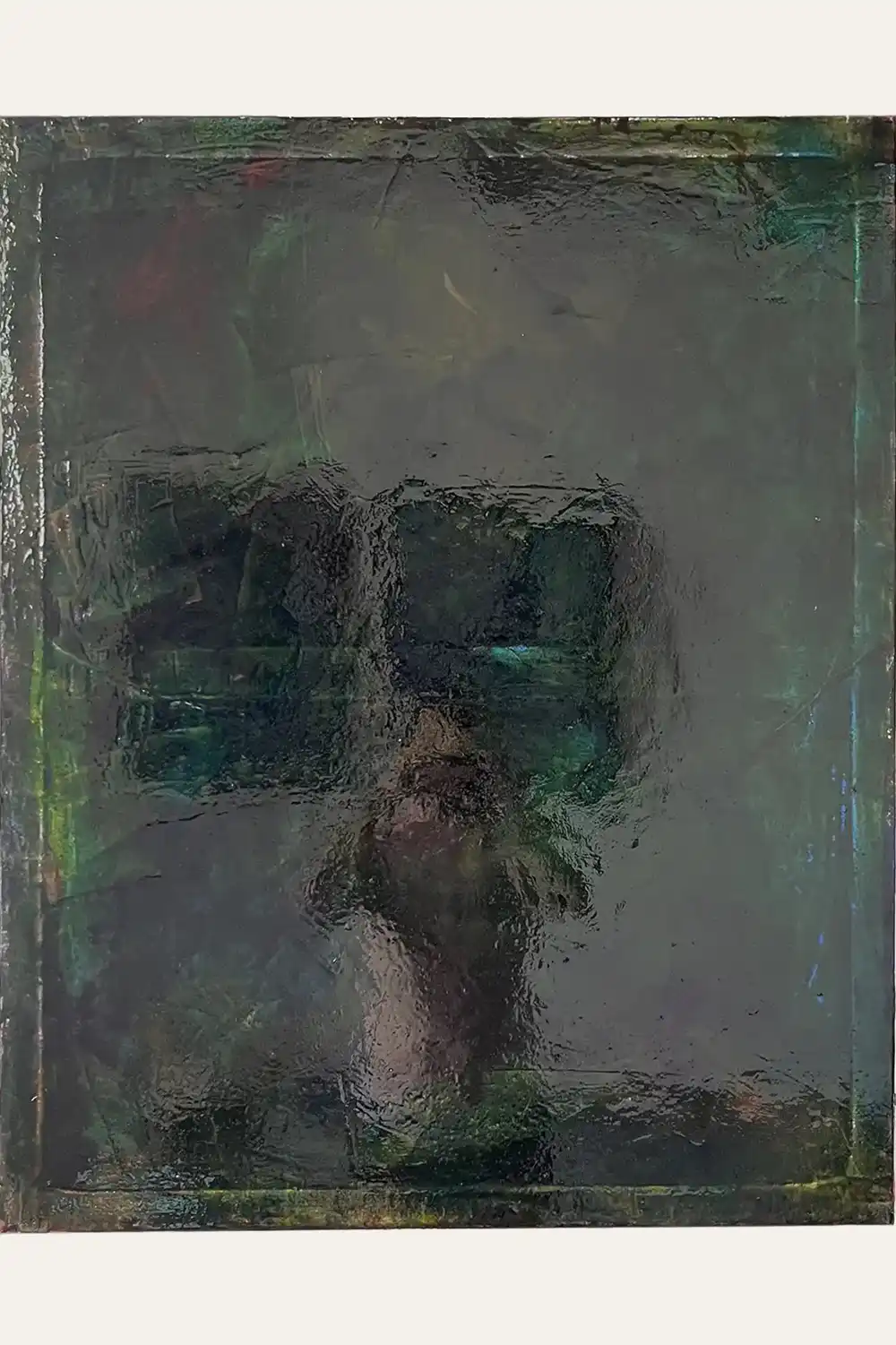
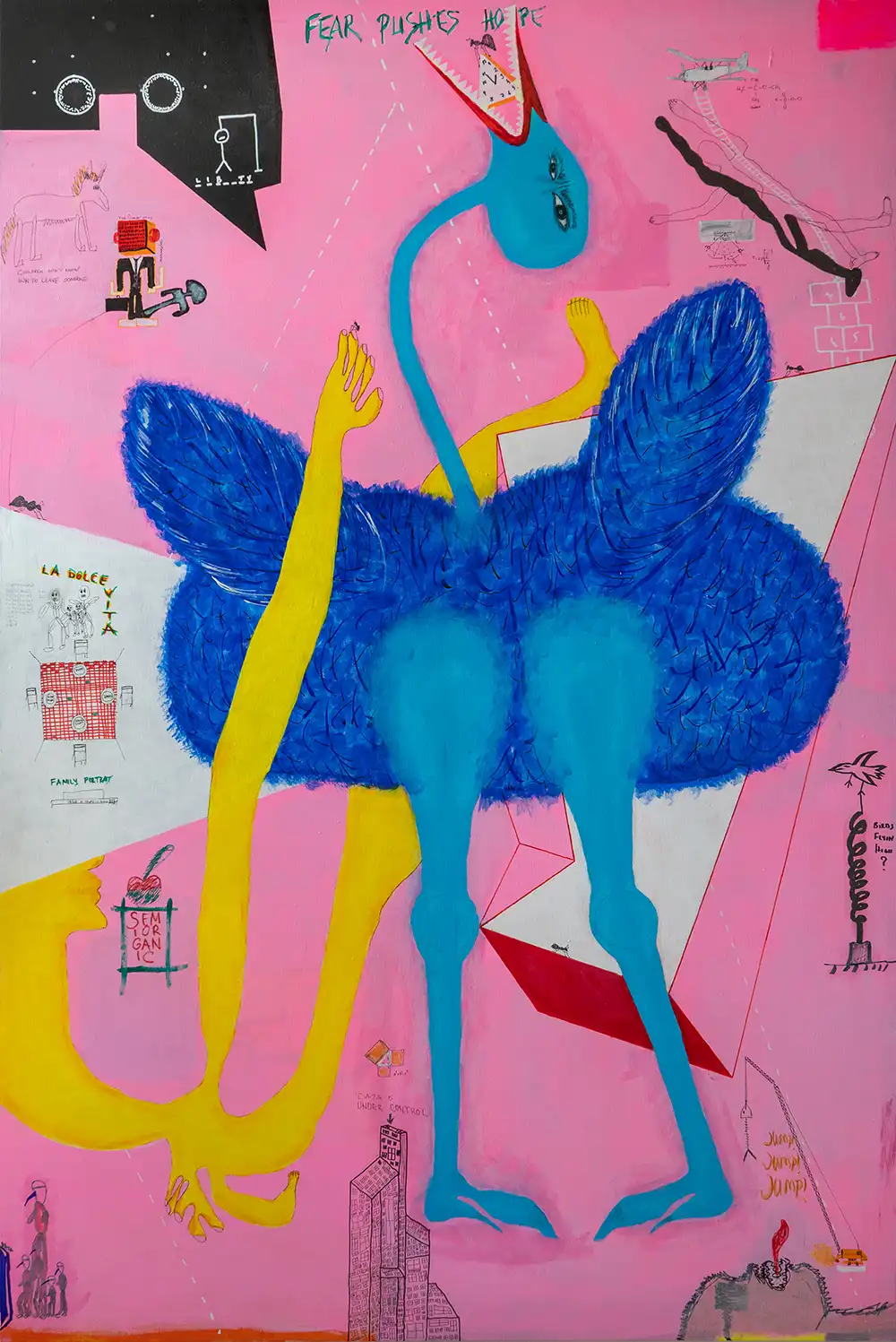
A figurative painting in a minimalist room tells a story that the room did not ask for. It introduces narrative where the architecture asked for presence. Abstract work answers the room’s actual question: What is the mood here? Not What is the subject? Work concerned with the subconscious, with its withdrawn forms and muted tension, does not explain the room. It deepens it.
The Single-Piece Rule
One useful approach in a minimalist interior is to give a single artwork each visual field. Not a salon wall. Not a triptych unless the architecture demands it. One painting, given the wall it deserves. This is not scarcity. It is generosity. The room gives the painting space, and the painting gives the room gravity.
When Less Becomes More
If your design is leaning toward restraint, ask yourself what the room is waiting for. Often, it is not another object. It is a presence. A painting that has been made, not manufactured. A surface that carries the heat of a decision.
The emotional register of a specific work within a restrained interior can be discussed directly. If you are looking for a single piece that completes a minimalist space without overwhelming it, I am happy to share current studio works and placement guidance.
View the Muscle Memory series · Explore work concerned with the subconscious · Inquire for placement