Every body remembers what the mind has forgotten. The way a hand closes around a door handle. The hesitation before a step. The angle of the shoulders during a conversation that ended badly. These memories do not live in language. They live in tissue. And contemporary art that accesses this territory speaks a language no translation can corrupt.
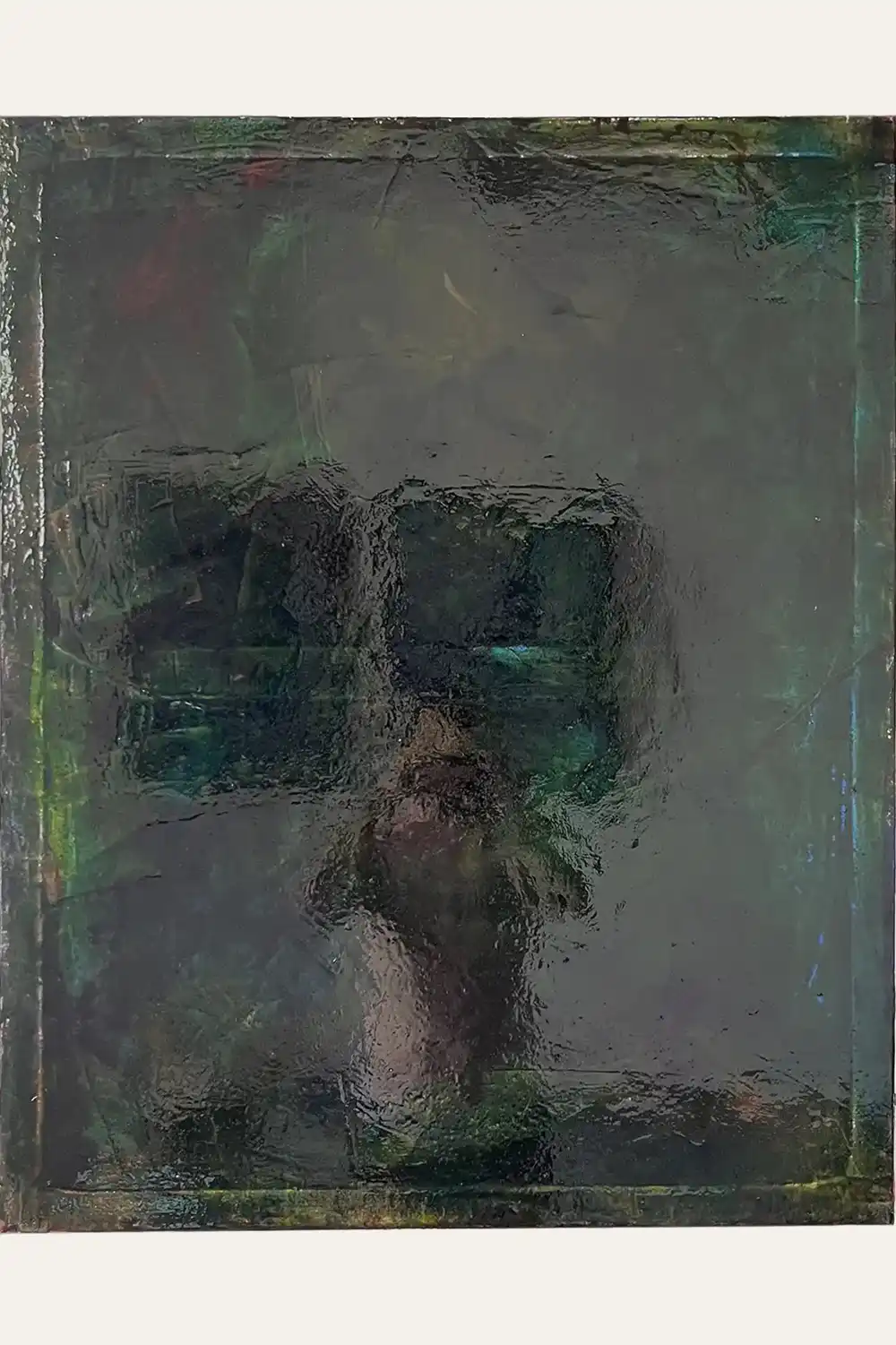
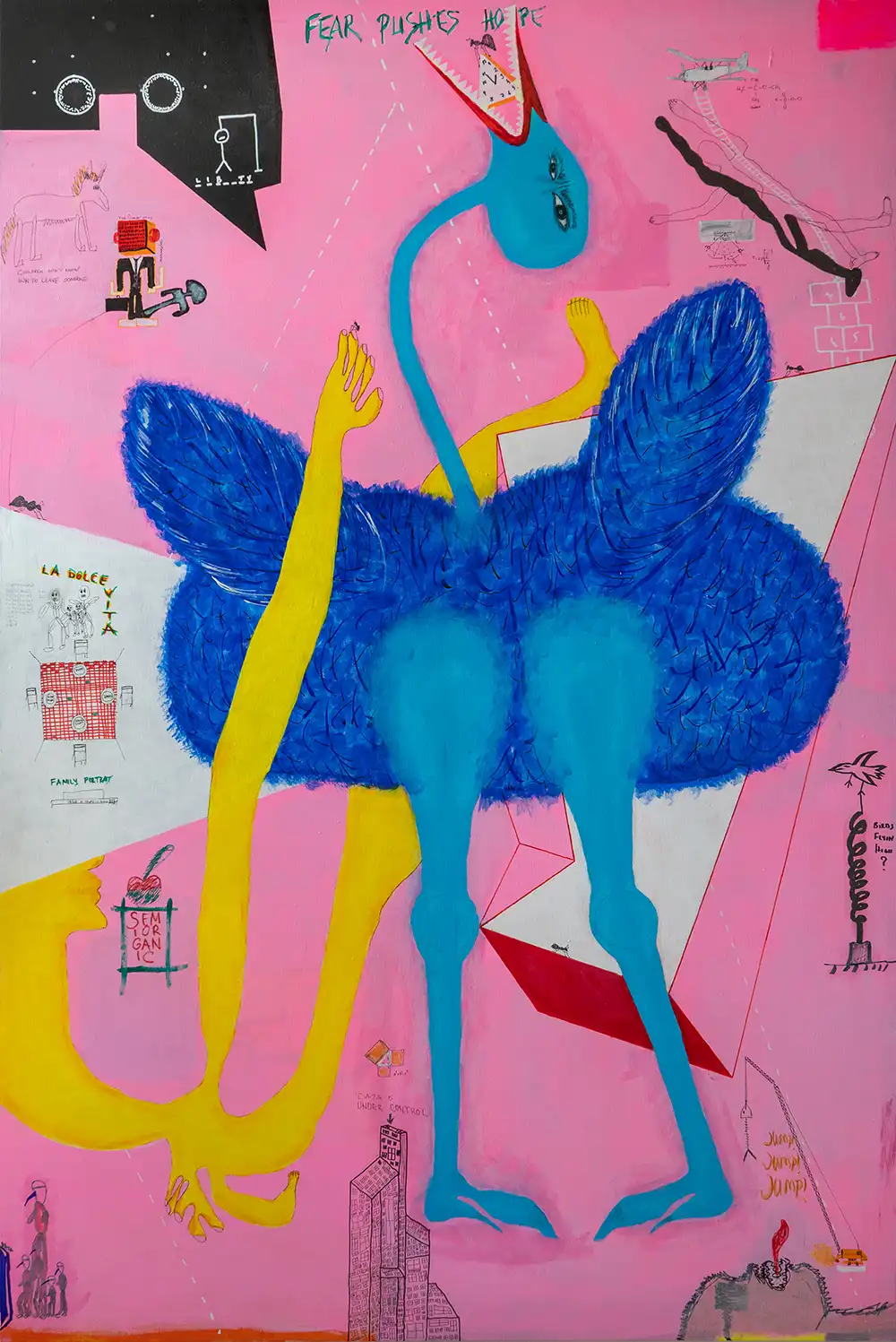
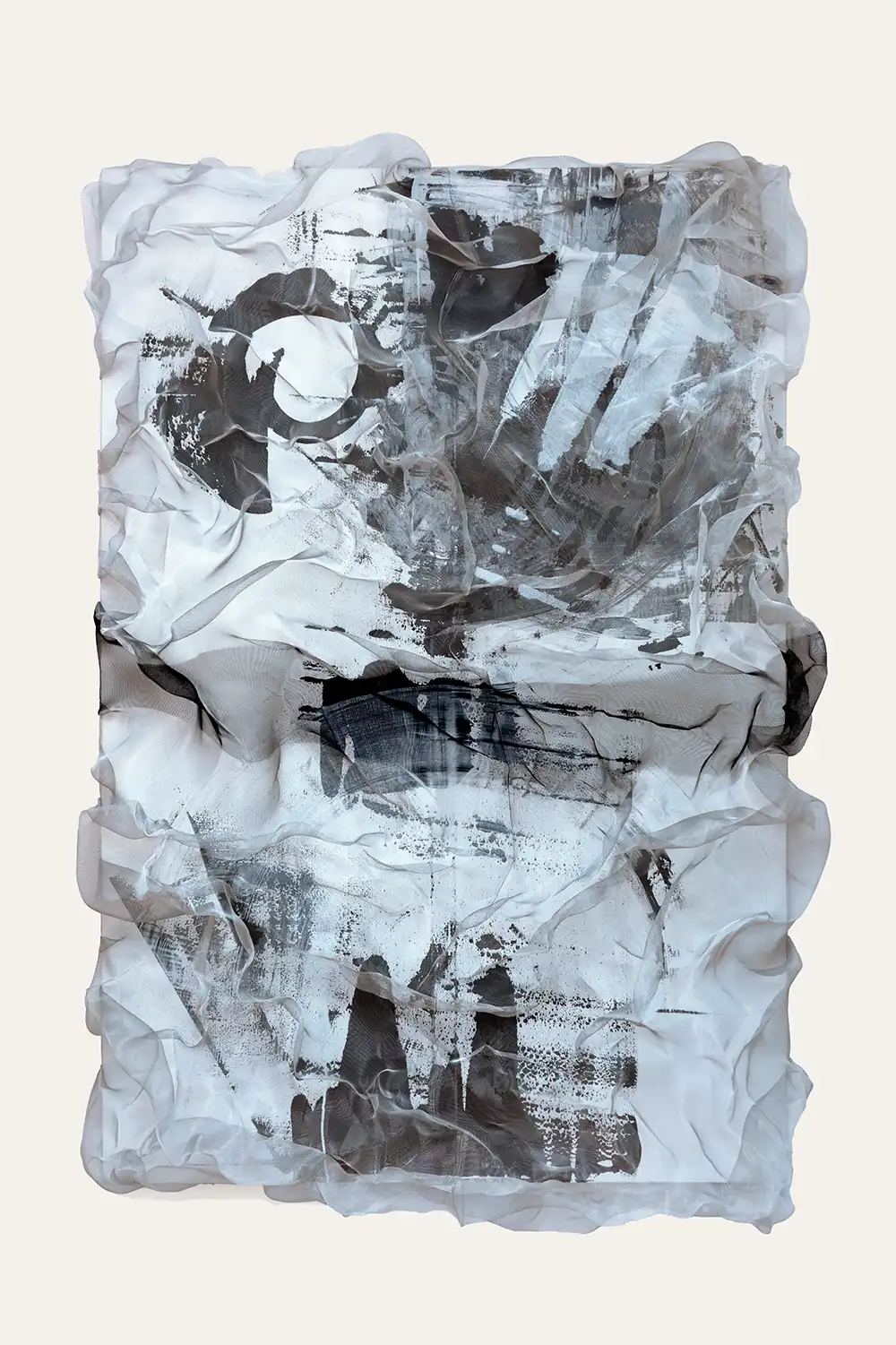
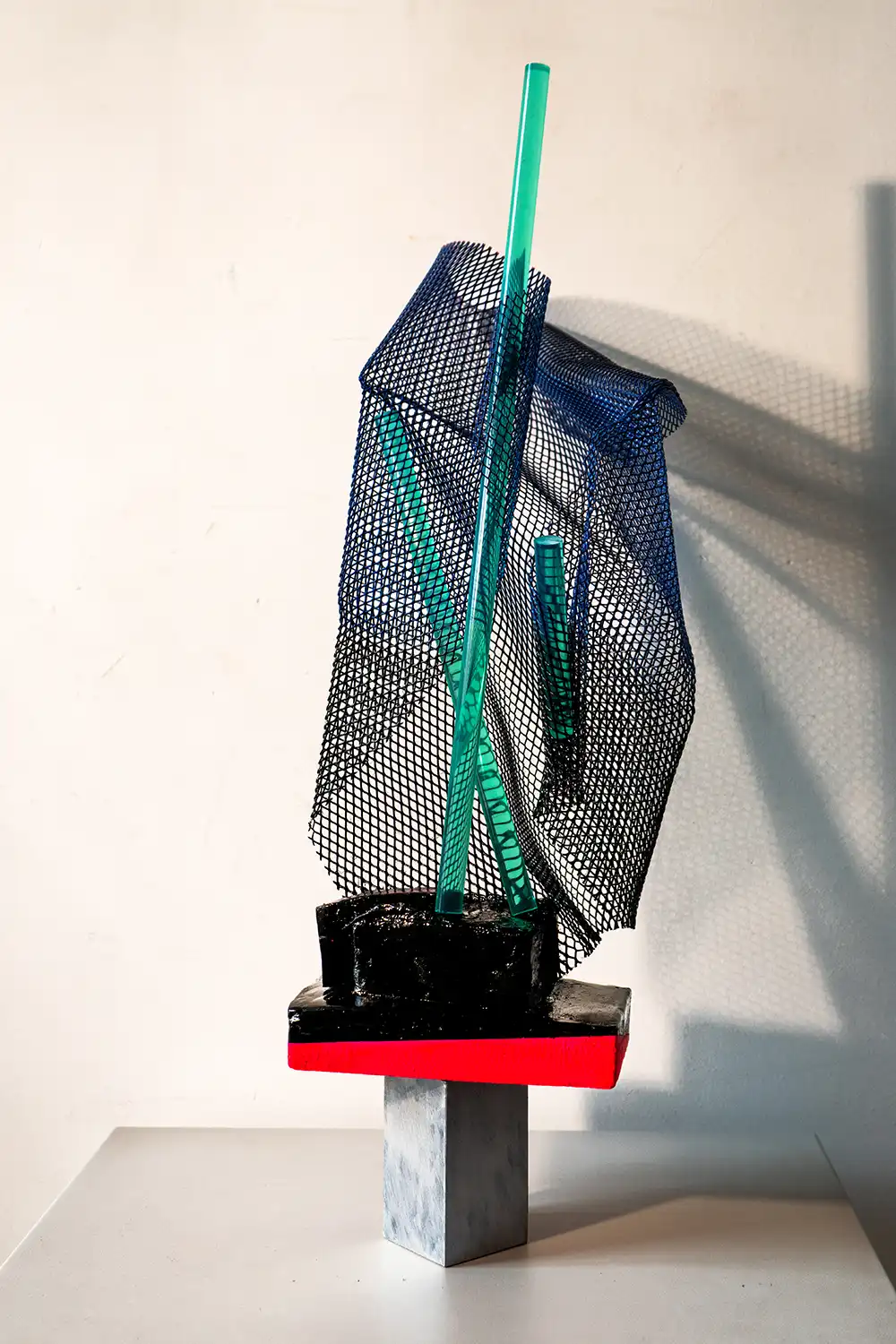
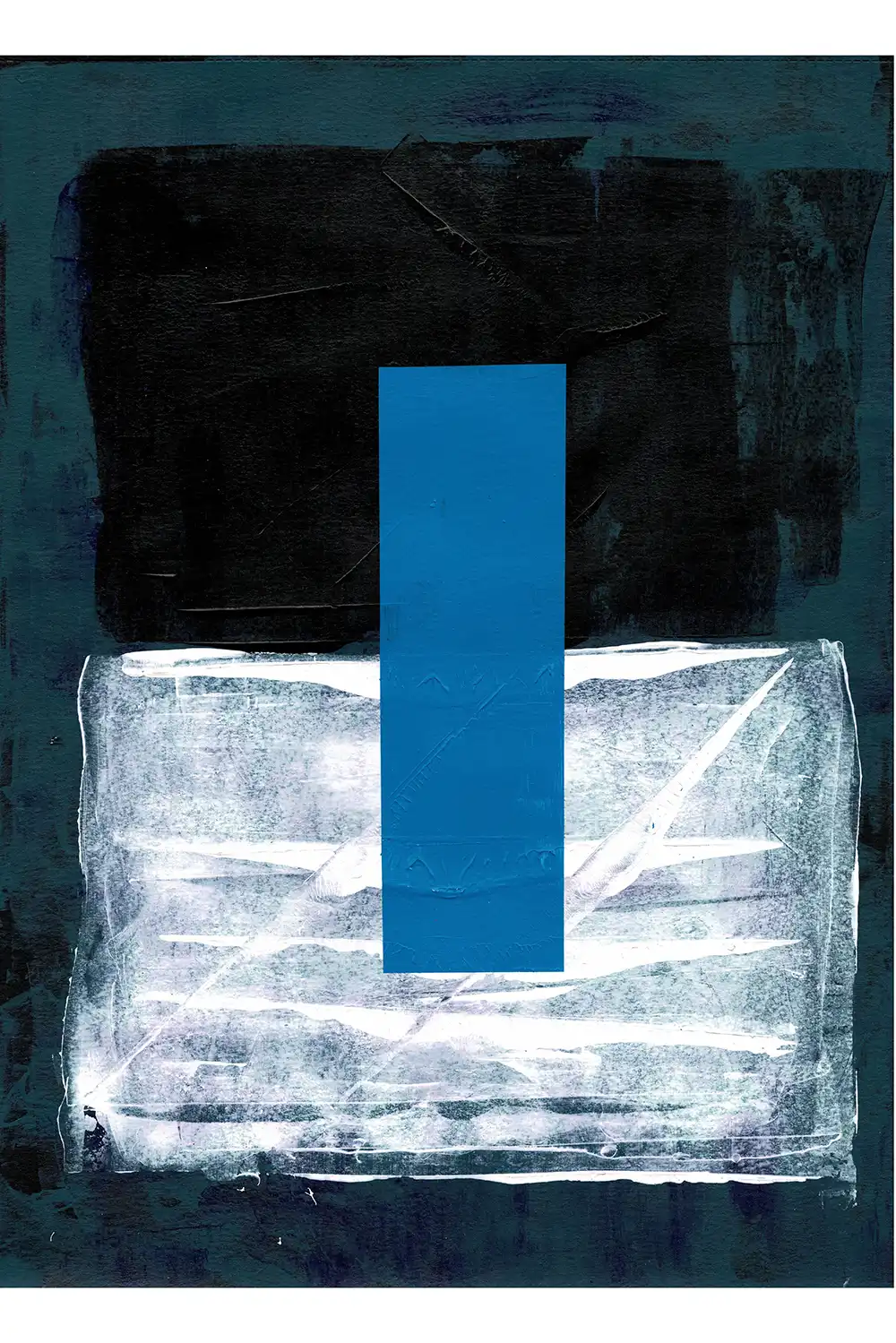
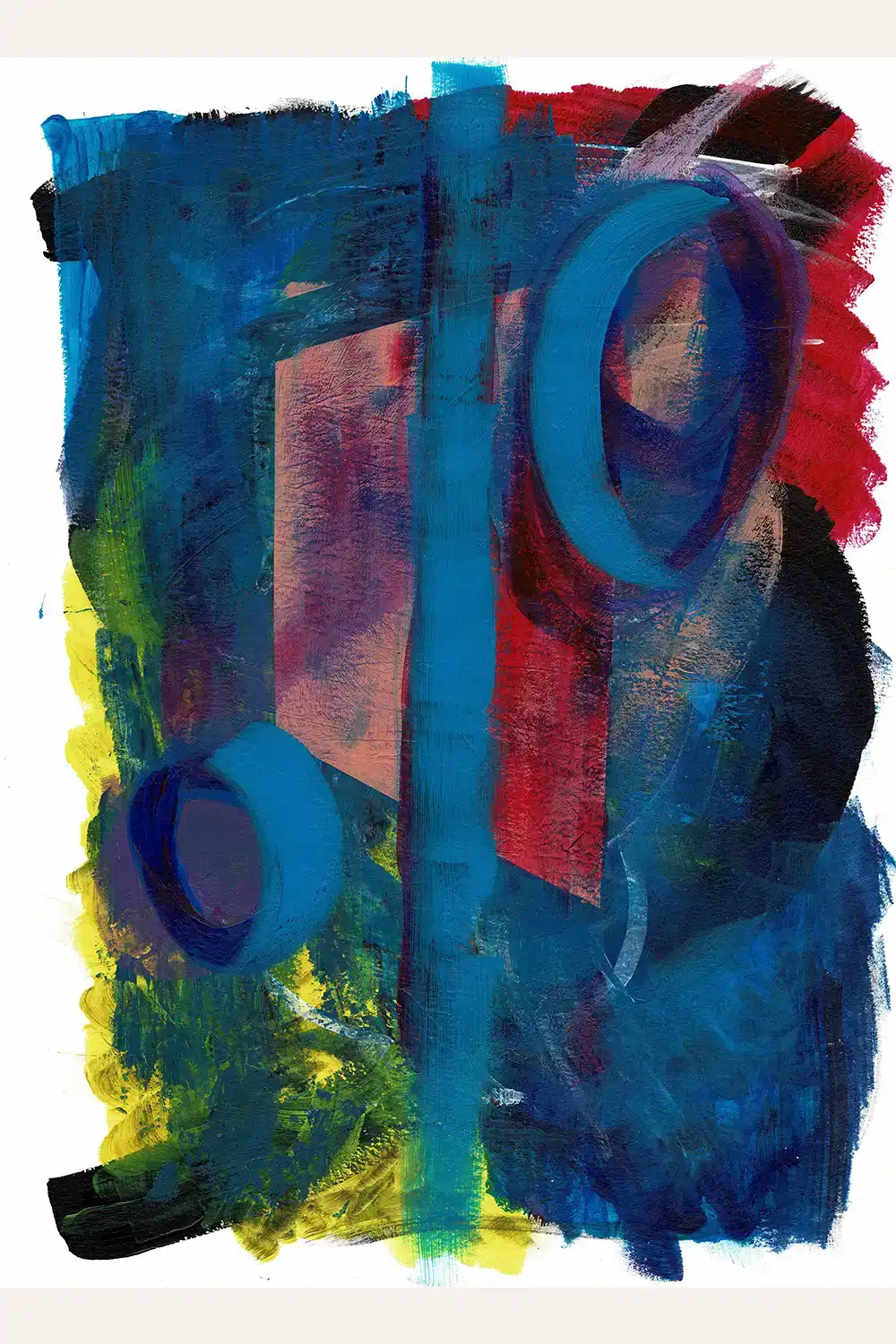
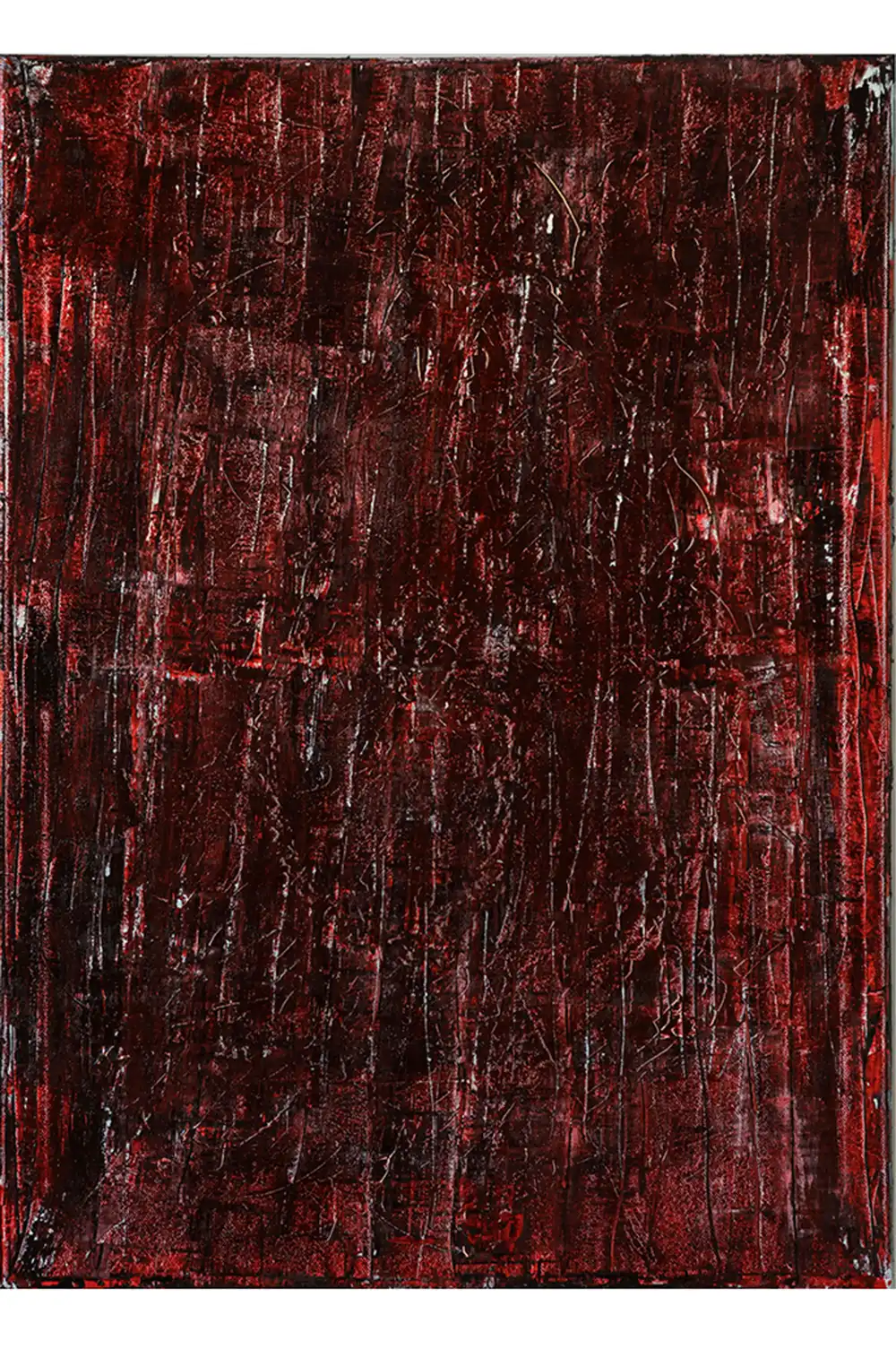
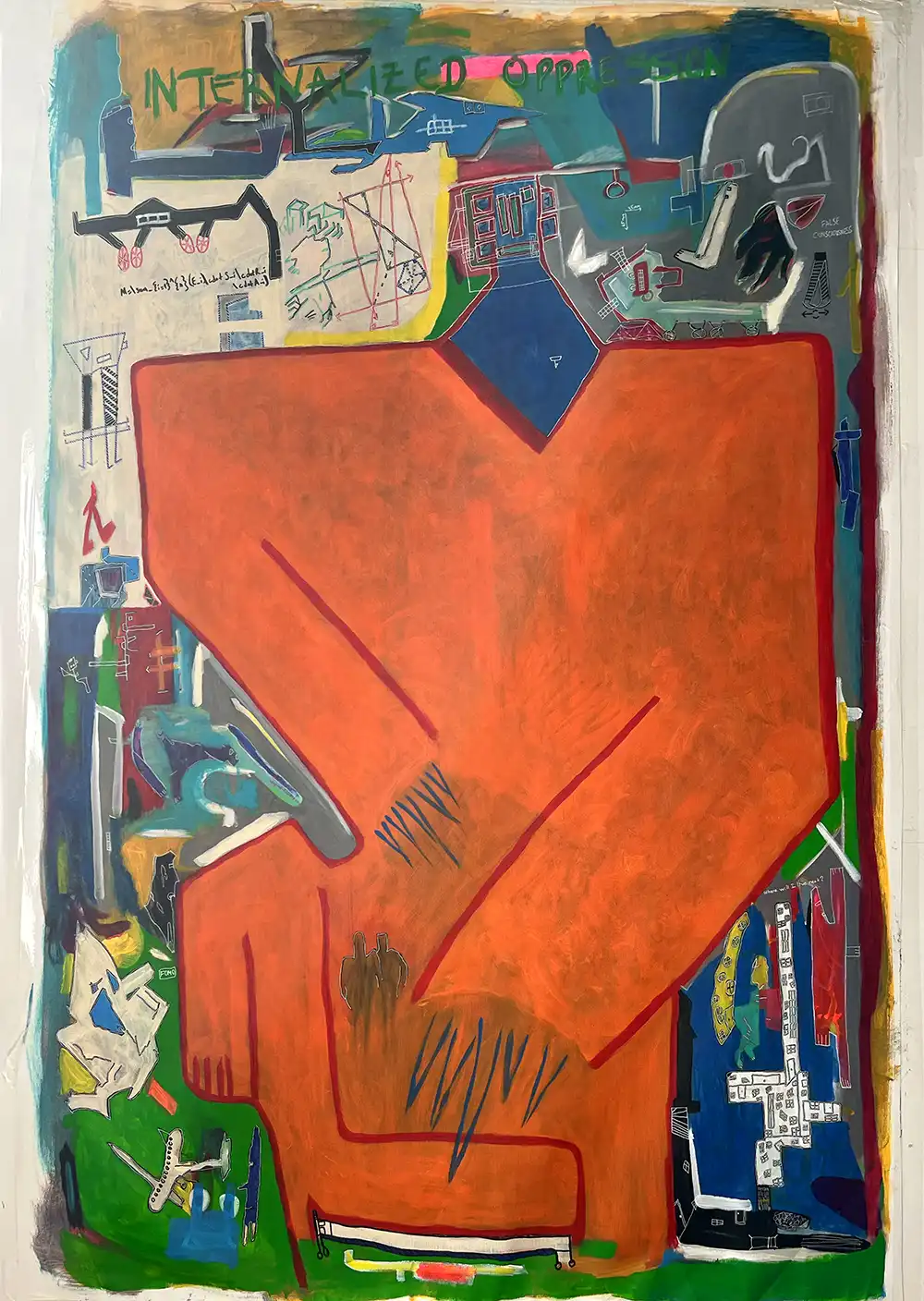
The Muscle Memory series was built on this premise: that the body is a more reliable narrator than the mind. The forms in the paintings are not figures. They are the residue of movement. The red is not blood. It is heat. The tension is not conflict. It is the moment before a gesture becomes conscious.
Why Museums Need This Language Now
Museums continually negotiate how to remain relevant. But relevance is often mistaken for topicality. A show about current events will age quickly. A show about the body’s enduring memory will not. The body is the one subject every visitor brings with them. They do not need context to understand it. They need only permission to feel it.
An exhibition centered on bodily memory can offer an entry point that does not depend on specialist knowledge. The work is not explained. It is encountered. The Muscle Memory series is intended to function this way: it does not hang on the wall as information. It stands in the room as experience.
Cross-Cultural Resonance
Bodily gesture can offer a point of connection across different languages and references, without guaranteeing a single response. The possibility lies not in a universal symbol, but in the chance of a shared sensation.
The Curatorial Opportunity
If you are programming a show that aims for emotional accessibility without sacrificing conceptual depth, the body is your bridge. Work that addresses muscle memory, physical residue, or the archaeology of gesture offers visitors an entry point that requires no prior knowledge. Interpretation can support the encounter without predetermining it.
The Muscle Memory series can be discussed for exhibition or loan enquiries. If you are developing a program around embodiment, memory, or cross-cultural dialogue, I am open to discussing installation, context, and educational programming.
Explore the Muscle Memory series · Museum inquiries