A sculpture in a studio is a private object. It catches the light the artist chose. It stands on a pedestal the artist built. It breathes in the silence of a room where nothing is asked of it. When that same sculpture enters a museum, everything changes. The light is institutional. The pedestal is neutral. The silence is public.
Not every work survives this translation.
Presence Over Detail
One useful question when evaluating contemporary sculpture is: does the work hold the room, or does the room swallow it? Detail that fascinates at arm’s length can dissolve at twenty meters. A surface that rewards close inspection may become inert under museum lighting. What survives is presence — the quality of occupying space with intention, regardless of context.
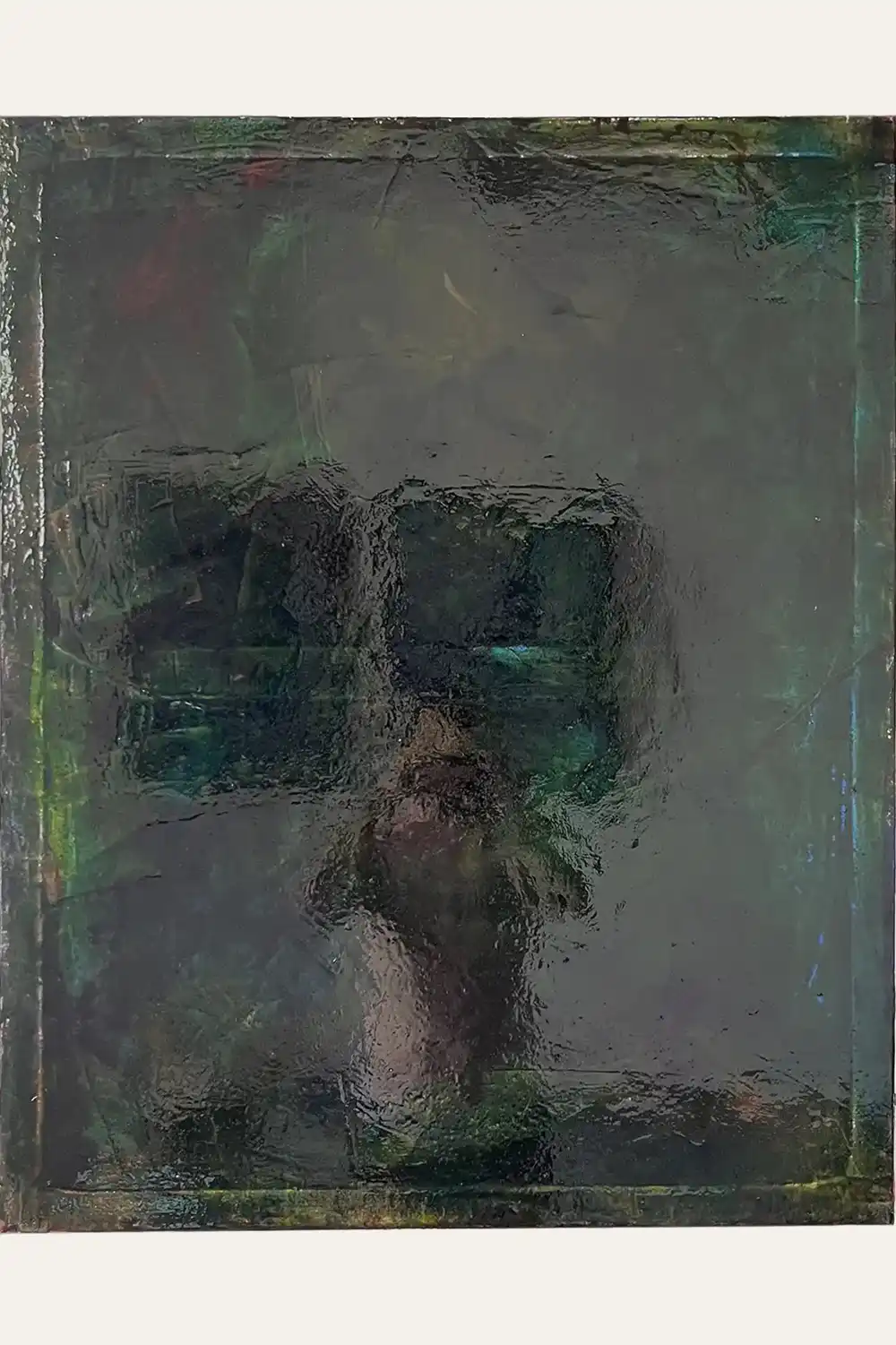
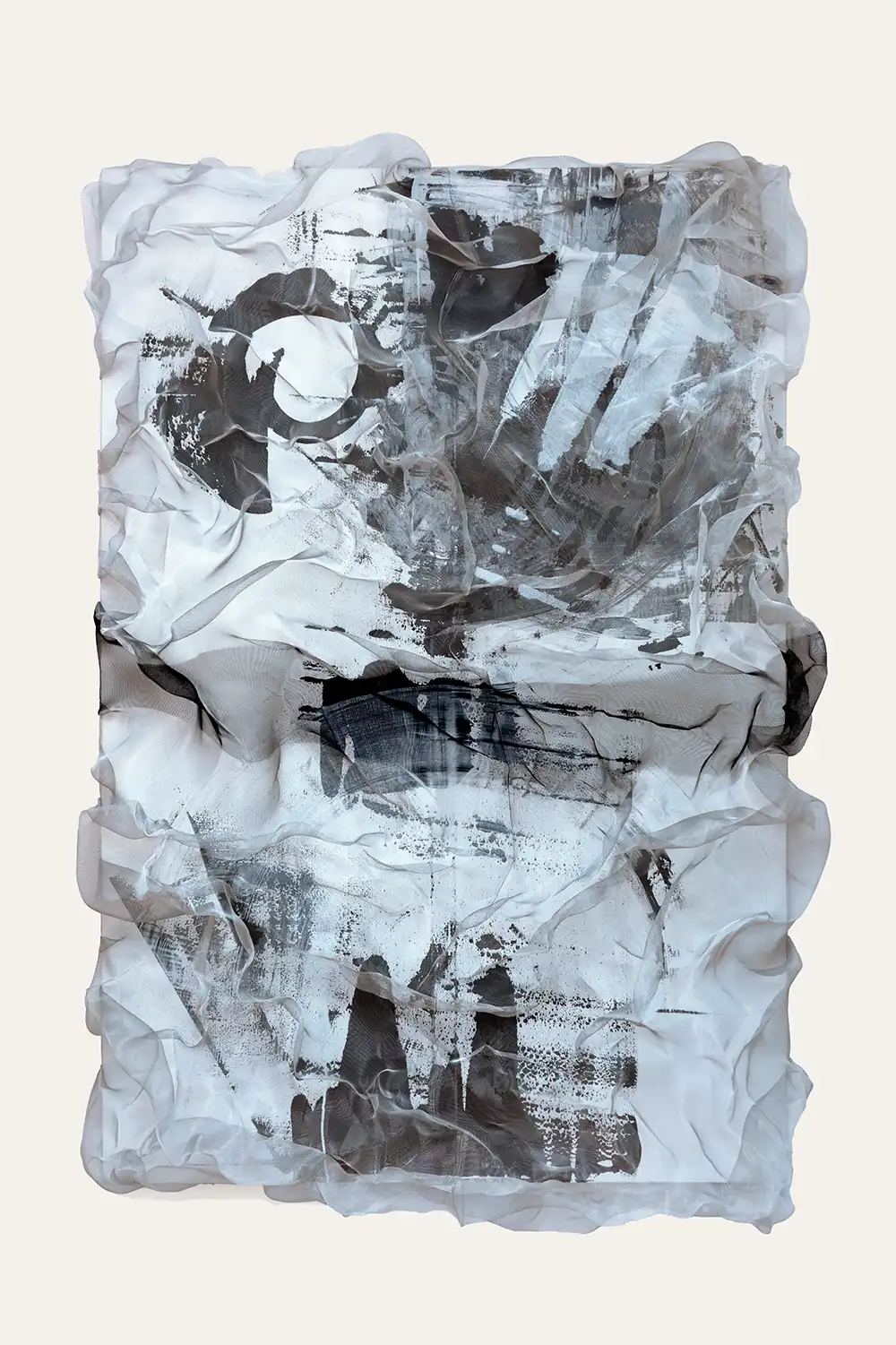
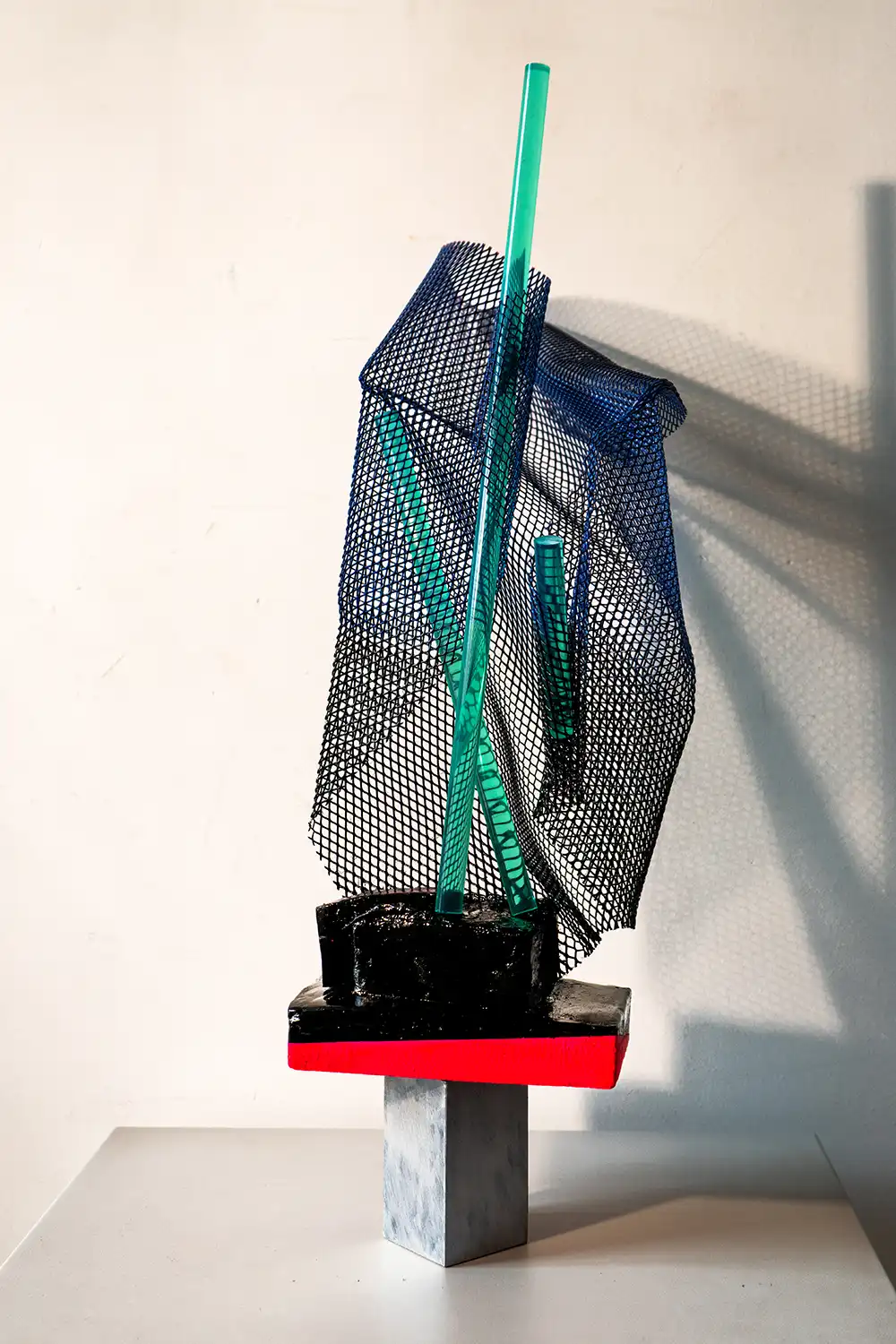
The object works in my practice are built with this translation in mind. They are not dependent on a specific wall color or a curated shadow. They generate their own conditions. The mesh, the resin, the vertical elements — each is chosen for how it behaves when the studio is no longer there to protect it.
Material Honesty
Curatorial and conservation concerns meet when materials enter an institutional setting. They ask questions that collectors sometimes forget: How will this material age? What happens if the humidity shifts? Can it be transported without structural compromise? A sculpture that requires constant environmental control is not a failure, but it is a commitment. And institutions already have enough commitments.
The mixed-media objects I produce use epoxy and acrylic not for novelty, but for endurance. Their behavior depends on their formulation, support, handling, and display conditions, which should be documented for any exhibition context.
The Dialogue with Architecture
A good sculptural work does not decorate a museum room. It interrogates it. It asks: Why is this wall here? Why is this ceiling this height? Curators look for this architectural awareness. They want work that makes the white cube feel temporary — as if the sculpture were there first and the building grew around it.
For Curators Reviewing Sculpture
If you are considering sculptural work for an upcoming exhibition, look past the photograph. Ask how the piece behaves at different times of day. Ask what it does to the air around it. Ask whether it needs the room, or whether the room needs it.
Sculptural works from recent series can be discussed for institutional review. If you are planning an exhibition and would like to discuss material specifications, installation requirements, or loan terms, please reach out directly.
View sculptural works · Exhibition inquiries